July 21, 2015
“A ‘pill on a string’ developed by researchers at the University of Cambridge could help doctors detect esophageal cancer at an early stage, helping them overcome the problem of wide variation between biopsies, suggests research published today in the journal Nature Genetics.
The ‘Cytosponge’ sits within a pill which, when swallowed, dissolves to reveal a sponge that scrapes off cells when withdrawn up the esophagus. It allows doctors to collect cells from all along the esophagus, whereas standard biopsies take individual point samples.
Esophageal cancer is often preceded by Barrett’s esophagus, a condition in which cells within the lining of the esophagus begin to change shape and can grow abnormally. The cellular changes are cause by acid and bile reflux – when the stomach juices come back up the esophagus. Between one and five people in every 100 with Barrett’s esophagus go on to develop esophageal cancer in their life-time, a form of cancer that can be difficult to treat, particularly if not caught early enough.
At present, Barrett’s esophagus and esophageal cancer are diagnosed using biopsies, which look for signs of dysplasia, the proliferation of abnormal cancer cells. This is a subjective process, requiring a trained scientist to identify abnormalities. Understanding how esophageal cancer develops and the genetic mutations involved could help doctors catch the disease earlier, offering better treatment options for the patient.
An alternative way of spotting very early signs of esophageal cancer would be to look for important genetic changes. However, researchers from the University of Cambridge have shown that variations in mutations across the esophagus mean that standard biopsies may miss cells with important mutations. A sample was more likely to pick up key mutations if taken using the Cytosponge, developed by Professor Rebecca Fitzgerald at the Medical Research Council Cancer Unit at the University of Cambridge.
“The trouble with Barrett’s esophagus is that it looks bland and might span over 10cm,” explains Professor Fitzgerald. “We created a map of mutations in a patient with the condition and found that within this stretch, there is a great deal of variation amongst cells. Some might carry an important mutation, but many will not. If you’re taking a biopsy, this relies on your hitting the right spot. Using the Cytosponge appears to remove some of this game of chance.”
Professor Fitzgerald and colleagues carried out whole genome sequencing to analyse paired Barrett’s esophagus and esophageal cancer samples taken at one point in time from 23 patients, as well as 73 samples taken over a three-year period from one patient with Barrett’s esophagus.
The researchers found patterns of mutations in the genome – where one ‘letter’ of DNA might change to another, for example from a C to a T – that provided a ‘fingerprint’ of the causes of the cancer. Similar work has been done previously in lung cancer, where it was shown that cigarettes leave fingerprints in an individual’s DNA. The Cambridge team found fingerprints which they believe are likely to be due to the damage caused to the lining of the esophagus by stomach acid splashing onto its walls; the same fingerprints could be seen in both Barrett’s esophagus and esophageal cancer, suggest that these changes occur very early on the process.
Even in areas of Barrett’s esophagus without cancer, the researchers found a large number of mutations in their tissue – on average 12,000 per person (compared to an average of 18,000 mutations within the cancer). Many of these are likely to have been ‘bystanders’, genetic mutations that occurred along the way but that were not actually implicated in cancer.
The researchers found that there appeared to be a tipping point, where a patient would go from having lots of individual mutations, but no cancer, to a situation where large pieces of genetic information were being transferred not just between genes but between chromosomes.
Co-author Dr Caryn Ross-Innes adds: “We know very little about how you go from pre-cancer to cancer – and this is particularly the case in esophageal cancer. Barrett’s esophagus and the cancer share many mutations, but we are now a step closer to understanding which are the important mutations that tip the condition over into a potentially deadly form of cancer.”
Source: University of Cambridge
Reference: Ross-Innes, CS et al. Whole-genome sequencing provides new insights into the clonal architecture of Barrett’s esophagus and esophageal adenocarcinoma. Nature Genetics; 20 July 2015
The Salgi Esophageal Cancer Research Foundation is a 501 (c) (3) non profit organization as recognized by the Internal Revenue Service.
Content found on Salgi.org is for informational purposes only. The Content is not intended to be a substitute for professional medical advice, diagnosis, or treatment. Seek the advice of your physician or other qualified health provider with any questions you may have regarding a medical condition.
 Leave a Comment » |
  The Salgi Foundation - Esophageal Cancer Awareness, Early Detection & Research | Tagged: acid, acid reflux, acid reflux disease, acid reflux drugs, acid reflux medication, awareness, barrett's, barrett's esophagus, cancer, cancer of the esophagus, cancer run, cancer walk, charity, diet, disease, drugs, esophageal, esophageal cancer, esophageal cancer awareness, esophageal cancer research, esophagus, exercise, fit, fitness, food, gastroenterology, Gastroesophageal Reflux Disease, gerd, health, health news, healthy., heartburn, heartburn medication, heartburn sufferer, heartburn symptoms, lifestyle, medication, news, nutrition, obesity, ppi, reflux disease, rhode island, ri, silent reflux |
  Permalink
 Posted by salgiblogs
July 17, 2015
GASTROENTEROLOGY & ENDOSCOPY NEWS
“The incidence of Barrett’s esophagus (BE) among relatively young people has surged in recent years, an analysis of a large health care database has found.
The study, of 50 million unique patient records between 2008 and 2013, showed that while the absolute incidence remains low among people younger than age 55 years, the share of cases in that group climbed sharply over the five-year period. Meanwhile, cases of BE among people over age 55 fell, suggesting a demographic shift in the disease with potentially important implications for screening, according to the researchers. As a precancerous condition, BE may be more dangerous in younger patients because of the longer time for the abnormal cells to progress to malignancy.
“The increase in the rate of BE was particularly high in the age group of 25 to 34 years,” said Sasan Sakiani, MD, of the Division of Gastroenterology at MetroHealth Medical Center, in Cleveland, and a study co-author.
Ronnie Fass, MD, director of the Division of Gastroenterology and Hepatology at MetroHealth, who helped conduct the study, said more research is needed to identify the underlying basis for the trend.
“The impetus behind the study was the growing number of younger patients with GERD [gastroesophageal reflux disease]-related symptoms who were diagnosed with Barrett’s esophagus in our clinic,” Dr. Fass said. “It was important for us to further assess this trend because of the important impact it will likely have on our current guidelines for BE screening.”
Dr. Sakiani’s group presented the findings at Digestive Disease Week 2015 (abstract SA1881). The researchers analyzed the Explorys database, which includes data from 317,000 providers admitting patients to 360 hospitals in the United States. The database was initially surveyed by the International Classification of Diseases, 9th edition code for GERD, symptoms of heartburn and other risk factors for BE. The researchers conducted additional analyses to find patients who underwent endoscopy and received a diagnosis of BE between 2008 and 2013, to establish an annual incidence by patient age, sex and race.
“There was a steady increase in both the number of endoscopic procedures performed each year and the incidence of BE,” Dr. Sakiani said. By 2013, the number of endoscopies had risen to 201,140 from 79,040 in 2008, while the incidence of BE increased from 1,970 to 4,269 over that period.”
Read the full article, here.
Bosworth, Ted. “Barrett’s Esophagus Appears To Be Spiking in Younger Patients.” Gastroenterology & Endoscopy News – Web. 17 July 2015.
The Salgi Esophageal Cancer Research Foundation is a 501 (c) (3) non profit organization as recognized by the Internal Revenue Service.
Content found on Salgi.org is for informational purposes only. The Content is not intended to be a substitute for professional medical advice, diagnosis, or treatment. Seek the advice of your physician or other qualified health provider with any questions you may have regarding a medical condition.
Leave a Comment » | The Salgi Foundation - Esophageal Cancer Awareness, Early Detection & Research | Tagged: acid, acid reflux, acid reflux disease, acid reflux drugs, acid reflux medication, awareness, barrett's, barrett's esophagus, cancer, cancer of the esophagus, cancer run, cancer walk, charity, diet, digestive, Digestive Disease, disease, Diseases, drugs, esophageal, esophageal cancer, esophageal cancer awareness, esophageal cancer research, esophageal diseases, esophagus, exercise, fit, fitness, food, gastroenterology, Gastroesophageal Reflux Disease, gerd, health, health news, healthy., heartburn, heartburn medication, heartburn sufferer, heartburn symptoms, incidence, lifestyle, medical, medication, MetroHealth Medical Center, news, nutrition, obesity, ppi, reflux disease, research, rhode island, ri, silent reflux | Permalink
Posted by salgiblogs
July 10, 2015
“Cancer Research UK scientists have found that ‘jumping genes’ may add to the genetic chaos behind more than three-quarters of esophageal cancer cases, according to research published in BMC Genomics.
The scientists, from the University of Cambridge, used cutting-edge technology that can read DNA to study the genes of 43 esophageal tumour and blood samples to discover how much these mobile genetic sequences travel.
‘Jumping genes’, called L1 elements, can uproot themselves and move to new areas in the DNA, sometimes accidentally moving into genes that control the cell’s growth.
They found evidence that this happened around 100 times in each tumour sample, and in some tumours it happened 700 times.
If a jumping gene lands in or near an important gene that controls cell growth, it can wreak havoc, changing how the gene works so that it inadvertently tells the cell to grow and divide out of control – which could lead to cancer.
Study author Dr Paul Edwards, at the Cancer Research UK Cambridge Institute, said: “These jumping genes play hopscotch across our genetic code in cancer cells more than in normal cells. When one of these mobile genetic sequences plants itself in the middle of a gene that controls the cell’s growth it radically alters how the cell behaves, which can sometimes cause cancer.
“Research has shown that this might also happen in lung and bowel cancers. So it’s vital we find out more about how the cells do this in a bid to find ways to treat these cancers.”
The research is part of the International Cancer Genome Consortium (ICGC) – a global project using the latest gene sequencing technology to reveal the genetic changes behind cancer. The esophageal cancer project is funded by Cancer Research UK.
Dr Kat Arney, Cancer Research UK’s science information manager, said: “Esophageal cancer is one of the hardest cancers to treat, and we are committed to funding more research to find out its underlying causes. These new findings reveal more about the genetic chaos that underpins esophageal tumours, and could one day help us develop better ways to diagnose, treat and monitor the disease.”
References: Paterson et al. Mobile element insertions are frequent in oesophageal adenocarcinomas and can mislead paired end sequencing analysis. BMC Genomics. DOI: 10.1186/s12864-015-1685-z.
This post is based on materials provided by Cancer Research UK.
The Salgi Esophageal Cancer Research Foundation is a 501 (c) (3) non profit organization as recognized by the Internal Revenue Service.
Content found on Salgi.org is for informational purposes only. The Content is not intended to be a substitute for professional medical advice, diagnosis, or treatment. Seek the advice of your physician or other qualified health provider with any questions you may have regarding a medical condition.
Leave a Comment » | The Salgi Foundation - Esophageal Cancer Awareness, Early Detection & Research | Tagged: acid, acid reflux, acid reflux disease, acid reflux drugs, acid reflux medication, awareness, barrett's, barrett's esophagus, cancer, cancer advocacy, cancer awareness, cancer cahrity, cancer charity foundation, cancer of the esophagus, cancer research, cancer research charity, cancer research donations, cancer research funding, cancer research uk, cancer run, cancer walk, charity, diet, disease, donate cancer, donate cancer research, donate to cancer research, donate to research, drugs, esophageal, esophageal cancer, esophageal cancer advocacy, esophageal cancer awareness, esophageal cancer research, esophageal cancer research charity, esophagus, esophagus cancer, esophagus cancer research, exercise, fit, fitness, food, gastroenterology, Gastroesophageal Reflux Disease, genes, genetics, gerd, health, health news, healthy., heartburn, heartburn medication, heartburn sufferer, heartburn symptoms, lifestyle, medication, news, nutrition, obesity, oesophageal cancer, oesophageal cancer research, oesophagus cancer research, ppi, reflux disease, research, rhode island, ri, salgi, salgi foundation, silent reflux | Permalink
Posted by salgiblogs
June 18, 2015
“The American Society for Gastrointestinal Endoscopy (ASGE) has issued new Guidelines that cite Stretta as a viable treatment option for Gastroesophageal Reflux Disease (GERD).
According to the Guidelines, Stretta was seen as safe, effective and durable, specifically stating: “Adverse events were infrequent and typically minor. The technique appears to durably relieve GERD symptoms for up to 10 years in the majority of patients.” The document was prepared by the ASGE Standards of Practice Committee, approved by the ASGE Governing Board, and published in the June issue of Gastrointestinal Endoscopy.
Stretta is a minimally-invasive endoscopic treatment that delivers non-ablative radiofrequency (RF) energy to improve and restore the function of the lower esophageal sphincter muscle, thereby improving symptoms of GERD.
“The recent ASGE guideline regarding the role of endoscopy in treating GERD highlights the safety, efficacy, and durability of Stretta,” said Robert D. Fanelli, MD, MHA, Chief of Minimally Invasive Surgery and Surgical Endoscopy for The Guthrie Clinic and a member of both the ASGE Standards of Practice Committee and the SAGES Guidelines Committee. “This guideline, in concert with the previously published SAGES Clinical Spotlight Review on endoluminal reflux therapy, demonstrates support for Stretta as a treatment option for appropriately selected patients with GERD, based on rigorous reviews of the literature.”
The ASGE guidelines also state, “This technique uses RF energy delivery to the distal esophagus and appears to reduce GERD by decreasing tissue compliance and reducing transient lower esophageal relaxations.” In summary, the guideline suggests that endoscopic antireflux therapy may be considered for select GERD patients.
GERD is the most frequent outpatient GI diagnosis in the U.S. Although most patients are treated with proton pump inhibitors (PPIs), approximately 30 percent have incomplete control of symptoms on PPIs.
GERD is also a risk factor for esophageal cancer which is considered one of the fastest and deadliest cancers in the United States and western world.
Will Rutan, CEO of Mederi Therapeutics, the maker of Stretta said, “With recent studies highlighting potential issues with long-term PPI use, the timing is right for Stretta. Doctors who offer Stretta are positioned to make a difference in the quality of life of their patient by broadening treatment options for those in their care.”
Stretta Therapy is non-surgical treatment option for GERD patients who do not respond well to medications and wish to avoid surgery. Stretta has been the subject of more than 37 studies, all showing a high level of safety and efficacy.
Stretta can be an ideal option for patients whose symptoms are inadequately controlled by drug therapy or choose to avoid surgery. Unlike surgery, Stretta doesn’t alter the anatomy, so it provides a versatile treatment option that doesn’t complicate any future surgery, and can also be utilized in patients who already have had previous anti-reflux or bariatric procedures, and experience recurring GERD.”
For more information, please visit stretta-therapy.com.
This post is based on materials provided by Stretta Therapy.
The Salgi Esophageal Cancer Research Foundation is a 501 (c) (3) non profit organization as recognized by the Internal Revenue Service.
Content found on Salgi.org is for informational purposes only. The Content is not intended to be a substitute for professional medical advice, diagnosis, or treatment. Seek the advice of your physician or other qualified health provider with any questions you may have regarding a medical condition.
Leave a Comment » | The Salgi Foundation - Esophageal Cancer Awareness, Early Detection & Research | Tagged: acid, acid reflux, acid reflux disease, acid reflux drugs, acid reflux medication, acid reflux meds, acid reflux surgery, alkaline, awareness, barrett's, barrett's esophagus, cancer, cancer of the esophagus, cancer run, cancer walk, charity, diet, disease, drugs, esophageal, esophageal cancer, esophageal cancer awareness, esophageal cancer research, esophagus, exercise, fit, fitness, food, gastroenterology, Gastroesophageal Reflux Disease, gerd, health, health news, healthy., heartburn, heartburn medication, heartburn sufferer, heartburn symptoms, lifestyle, medication, news, nutrition, obesity, ppi, reflux disease, rhode island, ri, silent reflux, stretta, surgery | Permalink
Posted by salgiblogs
June 2, 2015
The Salgi Esophageal Cancer Research Foundation would like to congratulate our Vice President for receiving a Rising Star Award from NonProfit PRO’s 2015 Nonprofit Professionals of the Year.
This achievement was featured in NonProfit PRO’s May 2015 issue which featured the 2015 Nonprofit Professionals of the Year Awards. Below is an excerpt from the magazine.
“Due to our Vice President’s social media and Internet optimization efforts, we have been able to connect with people across the United States, Canada, Australia, Philippines, India, Egypt and the United Kingdom. As a newer nonprofit with very limited funds, she has utilized low to no-cost marketing avenues to bring our message to the masses. Through social media, Google Ad Grants, our website, email newsletters, blogs, print, mailings and so much more, we have been fortunate enough to not only survive these hard times in our first years, but thrive with the promise of better times.”
– President, The Salgi Esophageal Cancer Research Foundation
Leave a Comment » | The Salgi Foundation - Esophageal Cancer Awareness, Early Detection & Research | Tagged: 501c3, acid, acid reflux, acid reflux disease, acid reflux drugs, acid reflux medication, award, awareness, barrett's, barrett's esophagus, cancer, cancer of the esophagus, cancer run, cancer walk, charity, diet, disease, esophageal, esophageal cancer, esophageal cancer advocacy, esophageal cancer research, esophagus, exercise, fit, fitness, food, fundraising, fundraising success, gastroenterology, Gastroesophageal Reflux Disease, gerd, health, health news, healthy., heartburn, heartburn medication, heartburn sufferer, heartburn symptoms, lifestyle, medication, news, nonprofit, nonprofit award, nonprofit pro, nonprofit pro award, nutrition, obesity, ppi, reflux disease, rhode island, ri, silent reflux | Permalink
Posted by salgiblogs
May 29, 2015
Today, May 29, 2015, is World Digestive Health Day (#WDHD2015)
As advocates for improving esophageal health and preventing esophageal cancer, The Salgi Esophageal Cancer Research Foundation understands the importance of awareness and education of the important role that the esophagus plays in the digestive system.
Esophageal cancer is considered the fastest growing cancer in the United States, according to the National Cancer Institute and is also considered one of the deadliest cancers. Esophageal cancer research is extremely underfunded and there are no routine or standard tests to diagnose esophageal cancer in earlier stages to improve early detection and survival rates.

The esophagus is the first channel in the digestive tube and plays a simple yet significant part in the human digestive system. The esophagus is a muscular tube through which food passes from the throat to the stomach. This takes place when we swallow and food or liquids are pushed from the mouth, down and into the esophagus and empty into the stomach. The lower esophageal sphincter is located at the base of the esophagus and is responsible for controlling the passage of food and liquid between the esophagus and stomach.
The LES is a ring-shaped muscle which relaxes to allow food and liquid into the stomach. Once the food and liquid pass through the relaxed sphincter, it closes back up, thus keeping the food and liquid in the stomach.
Problems arise when the LES weakens and does not close properly. When this happens, stomach contents escape the stomach and flow back up into the esophagus. This backflow of stomach content is called reflux. For those who experience reflux symptoms (heartburn included) more than twice a week may have Gastroesophageal Reflux Disease (GERD).
Sometimes Heartburn Isn’t Just An Inconvenience™
Heartburn is the most common symptom of acid reflux disease. Other GERD symptoms include, but are not limited to, burning sensation in chest, regurgitation, chest pain and difficulty swallowing.
Some symptoms of acid reflux disease could also be indicators of something more serious. For instance, RefluxMD states on their website that “although mild difficulty swallowing is often a common symptom of GERD, more severe difficulty swallowing could be a symptom of [esophageal] cancer and should be promptly evaluated.
Many people rely on medications, both over-the-counter and from a prescription, to help control their acid reflux symptoms. Unfortunately, these medications only work to treat the symptoms of the disease, but do not stop the disease from progressing (getting worse) and do not stop damage from occurring to the esophagus.
Dr. Jamie Koufman, a physician in New York who specializes in voice disorders and acid reflux, explains in a New York Times article that a Danish study “concluded that there were no cancer-protective effects from using the common anti-reflux medications, called proton pump inhibitors and that regular long-term use was actually associated with an increased risk of developing esophageal cancer.”
Over time, the back-flow of stomach contents and acids irritate the esophagus and can cause serious damage to the esophagus, including Barrett’s esophagus (a sometimes pre-esophageal cancer condition) and can increase the risk of developing esophageal cancer. Even if you are taking medications and not experiencing any symptoms, damage could still be occurring to the esophagus.
It is important to discuss any medical conditions or concerns with your doctor. While the information provided here is intended for educational purposes, always speak to your doctor about your health.
If you or someone you know has GERD, RefluxMD has put together an eBook that is a must-read! To download a FREE copy of “I Have GERD, Now What?” click here.
The Salgi Esophageal Cancer Research Foundation asks that you join us in raising awareness of the importance of esophageal health today and everyday!
The following are some additional links to articles from our website and others for further reading on this important topic:
The Lower Esophageal Sphincter, An Important Muscle You Didn’t Know You Had
“I Have GERD, Now What” Free eBook provided by, RefluxMD
I have esophageal cancer after 12 years of taking antireflux medication, RefluxMD
How do I find a GERD expert?, RefluxMD
The Dangers of Eating Late at Night, Dr. Jamie Koufman
How is Heartburn Linked To Esophageal Cancer?
Join The Salgi Esophageal Cancer Research Foundation in raising awareness of the important role that the esophagus plays in the digestive system and spreading the word about esophageal cancer online.
Like and share with us on Facebook, follow and re-tweet us on Twitter, pin us on Pinterest and follow and re-post on Instagram! You can find links to all of our social media sites below.
The Salgi Esophageal Cancer Research Foundation is a 501 (c) (3) non profit organization as recognized by the Internal Revenue Service.
Content found on Salgi.org is for informational purposes only. The Content is not intended to be a substitute for professional medical advice, diagnosis, or treatment. Seek the advice of your physician or other qualified health provider with any questions you may have regarding a medical condition.
Leave a Comment » | The Salgi Foundation - Esophageal Cancer Awareness, Early Detection & Research | Tagged: acid, acid reflux, acid reflux disease, acid reflux drugs, acid reflux medication, awareness, barrett's, barrett's esophagus, cancer, cancer of the esophagus, cancer run, cancer walk, charity, diet, disease, drugs, esophageal, esophageal cancer, esophageal cancer awareness, esophageal cancer research, esophagus, exercise, fit, fitness, food, gastroenterology, Gastroesophageal Reflux Disease, gerd, health, health news, healthy., heartburn, heartburn medication, heartburn sufferer, heartburn symptoms, lifestyle, medication, news, nutrition, obesity, ppi, reflux disease, rhode island, ri, silent reflux | Permalink
Posted by salgiblogs
May 26, 2015
New research by scientists at the University of Maryland School of Medicine has found that esophageal cancer patients treated with proton therapy experienced significantly less toxic side effects than patients treated with older radiation therapies.
Working with colleagues at the Mayo Clinic in Rochester, Minnesota and the MD Anderson Cancer Center in Dallas, Texas, Michael Chuong, MD, an assistant professor of radiation oncology at the school, compared two kinds of X-ray radiation with proton therapy, an innovative, precise approach that targets tumors while minimizing harm to surrounding tissues.
The researchers looked at nearly 600 patients and found that proton therapy resulted in a significantly lower number of side effects, including nausea, blood abnormalities and loss of appetite. The results were presented on May 22 at the annual conference of the Particle Therapy Cooperative Group, held in San Diego.
“This evidence underscores the precision of proton therapy, and how it can really make a difference in cancer patients’ lives,” said Dr. Chuong.
Patients with esophageal cancer can suffer a range of side effects, including nausea, fatigue, lack of appetite, blood abnormalities and lung and heart problems. Proton therapy did not make a difference in all of these side effects, but had significant effects on several.
The results have particular relevance for the University of Maryland School of Medicine; this fall the school will open the Maryland Proton Treatment Center (MPTC). The center will provide one of the newest and highly precise forms of radiation therapy available, pencil beam scanning (PBS), which targets tumors while significantly decreasing radiation doses to healthy tissue. This technique can precisely direct radiation to the most difficult-to-reach tumors.
Proton therapy is just one of several new methods for treating cancer. Others include:
- Selective Internal Radiation Therapy, a precision modality for treating patients with particularly difficult-to-remove tumors involving the liver such as those from colorectal cancers;
- Gammapod, a new, high-precision, noninvasive method of treating early-stage breast cancer;
- Thermal Therapies, the use of “heat” in treating a broad spectrum of malignancies.
The treatment works well for many kinds of tumors, including those found in the brain, esophagus, lung, head and neck, prostate, liver, spinal cord and gastrointestinal system. It is also an important option for children with cancer and is expected to become an important option for some types of breast cancer. While most cancer patients are well served with today’s state-of-the-art radiation therapy technology, up to 30 percent are expected to have a greater benefit from the new form of targeted proton beam therapy.
This post is based on information provided by University of Maryland.
The Salgi Esophageal Cancer Research Foundation is a 501 (c) (3) non profit organization as recognized by the Internal Revenue Service.
Content found on Salgi.org is for informational purposes only. The Content is not intended to be a substitute for professional medical advice, diagnosis, or treatment. Seek the advice of your physician or other qualified health provider with any questions you may have regarding a medical condition.
Leave a Comment » | The Salgi Foundation - Esophageal Cancer Awareness, Early Detection & Research | Tagged: acid, acid reflux, acid reflux disease, acid reflux drugs, acid reflux medication, awareness, barrett's, barrett's esophagus, cancer, Cancer Center, cancer of the esophagus, cancer research, cancer run, cancer therapy, cancer treatment, Cancer Treatments, cancer walk, charity, Chemo, Chemo radiation, Chemotherapy, Chemotherapy radiation, diet, disease, drugs, esophageal, esophageal cancer, esophageal cancer awareness, esophageal cancer charity, esophageal cancer nonprofit, esophageal cancer research, esophageal cancer research news, esophagus, esophagus cancer research, exercise, fit, fitness, food, gastroenterology, Gastroesophageal Reflux Disease, gerd, health, health news, healthy., heartburn, heartburn medication, heartburn sufferer, heartburn symptoms, lifestyle, Mayo Clinic, MD Anderson, MD Anderson Cancer Center, medication, medicine, news, nonprofit, nutrition, obesity, ppi, proton therapy, Radiation, Radiation therapy, reflux disease, research, research news, rhode island, ri, silent reflux, therapy, treatment for cancer, University of Maryland | Permalink
Posted by salgiblogs
April 16, 2015
Portsmouth High School Senior Lanse Mitchell hosted a dodgeball tournament yesterday to help generate awareness of esophageal cancer, while raising money for The Salgi Esophageal Cancer Research Foundation.
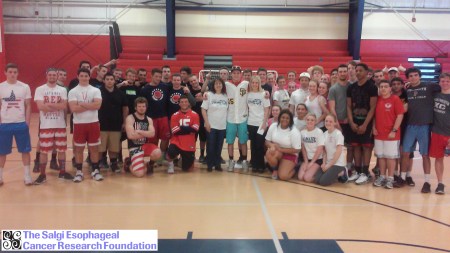
Lanse decided to host the dodgeball tournament to fulfill his Senior project requirement and wanted to make a difference by helping a local charity. President of The Salgi Esophageal Cancer Research Foundation was honored to have worked with Lanse on this project and both she and Vice President were invited to speak to the students about The Salgi Esophageal Cancer Research Foundation’s mission to raise awareness, encourage early detection and to fund research of esophageal cancer.

After months of preparation and planning, Lanse and a large group of students from Portsmouth High School played several rounds of dodgeball on what marked the mid-point of April, which is Esophageal Cancer Awareness Month. Please join us in thanking Lanse for a job well done!
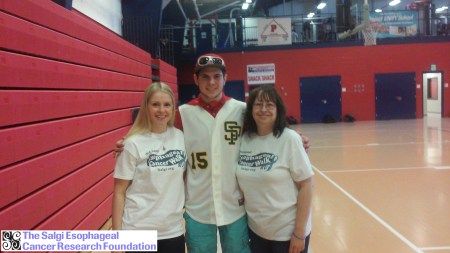
If you would like to host a fundraiser to benefit The Salgi Esophageal Cancer Research Foundation, please click here to learn more!
The Salgi Esophageal Cancer Research Foundation is a 501 (c) (3) non profit organization as recognized by the Internal Revenue Service.
Content found on Salgi.org is for informational purposes only. The Content is not intended to be a substitute for professional medical advice, diagnosis, or treatment. Seek the advice of your physician or other qualified health provider with any questions you may have regarding a medical condition.
Leave a Comment » | The Salgi Foundation - Esophageal Cancer Awareness, Early Detection & Research | Tagged: acid, acid reflux, acid reflux disease, acid reflux drugs, acid reflux medication, awareness, barrett's, barrett's esophagus, cancer, cancer of the esophagus, cancer run, cancer walk, charity, diet, disease, drugs, esophageal, esophageal cancer, esophageal cancer awareness, esophageal cancer research, esophagus, exercise, fit, fitness, food, gastroenterology, Gastroesophageal Reflux Disease, gerd, health, health news, healthy., heartburn, heartburn medication, heartburn sufferer, heartburn symptoms, lifestyle, medication, news, nutrition, obesity, reflux disease, rhode island, ri, silent reflux | Permalink
Posted by salgiblogs
March 26, 2015
By Liz Janetschek | The ASCO Post. March 25, 2015, Volume 6, Issue 5
The information contained in this Clinical Trials Resource Guide includes actively recruiting observational, interventional, phase I, phase II, and phase III clinical studies for patients with newly diagnosed or recurrent esophageal cancer. All of the studies are listed on the National Institutes of Health website at ClinicalTrials.gov.
Read the full article, “Clinical Trials Actively Recruiting Patients With Esophageal Cancer,” The ASCO Post.
The Salgi Esophageal Cancer Research Foundation is a 501 (c) (3) non profit organization as recognized by the Internal Revenue Service.
Content found on Salgi.org is for informational purposes only. The Content is not intended to be a substitute for professional medical advice, diagnosis, or treatment. Seek the advice of your physician or other qualified health provider with any questions you may have regarding a medical condition.
Leave a Comment » | The Salgi Foundation - Esophageal Cancer Awareness, Early Detection & Research | Tagged: acid, acid reflux, acid reflux disease, acid reflux drugs, acid reflux medication, awareness, barrett's, barrett's esophagus, cancer, cancer awareness, cancer charity, cancer of the esophagus, cancer run, cancer walk, charity, clinical trials, diet, disease, drugs, esophageal, esophageal cancer, esophageal cancer awareness, esophageal cancer charity, esophageal cancer research, esophageal cancer research charity, esophagus, exercise, fit, fitness, food, gastroenterology, Gastroesophageal Reflux Disease, gerd, GI health, GI news, GI research, health, health news, healthy., heartburn, heartburn medication, heartburn sufferer, heartburn symptoms, lifestyle, medication, news, nonprofit, nutrition, obesity, ppi, reflux disease, research news, rhode island, ri, silent reflux | Permalink
Posted by salgiblogs
February 12, 2015
Are you eating at least five fruits and vegetables every day?
A new study published in the British Journal of Cancer suggests that some compounds found largely in fruits and vegetables called “flavonoids may reduce incidence and improve survival” for some cancers.
It is well-known that a diet rich in fruits and vegetables is beneficial to one’s health and well-being. What is particularly exciting about this research is that it specifically focused on the two common types of esophageal cancer and gastric cancer.
The study is titled “Dietary intake of flavonoids and oesophageal and gastric cancer: incidence and survival in the United States of America (USA).”
Researchers interviewed patients that were diagnosed with esophageal cancer, both adenocarcinoma and squamous cell carcinoma and gastric cancer (adenocarcinoma).
Esophageal adenocarcinoma is the most common type of esophageal cancer in the western world and is the fastest growing cancer in the United States.*
Also one of the deadliest cancers, esophageal cancer shows extremely poor survival rates, as the cancer is extremely aggressive and is typically caught in later, advanced stages. Currently, there are no routine or standard screenings to detect esophageal cancer in earlier stages. The overall five-year survival rate is less than 18%.
According to the published abstract found on British Journal’s website, the researchers linked patients’ responses from food frequency questionnaires with USDA Flavonoid Databases and available literature for six flavonoid classes and lignans (chemical compound found in plants).
The abstract details that “flavonoids have experimentally demonstrated chemopreventive effects against esophageal and gastric cancers,” but there have been few studies which examine “flavonoid intake and incidence of these cancers and none have considered survival.”
While fruits and vegetables are the main sources of flavonoids, tea and red wine also contain the compound.
Certain fruits and vegetables can cause symptoms of Gastroesophageal Reflux Disease (GERD). Therefore, acid reflux sufferers should be careful about consuming certain spicy, citrus and/or acidic food and drinks and should limit or completely avoid drinking wine. It is important to speak to your doctor before making any changes to your health.
“Our findings, if confirmed, suggest that increased dietary anthocyanidin intake may reduce incidence and improve survival for these cancers,” researchers stated. To read the full abstract, please click here.
Sources:
British Journal of Cancer, 10 February 2015; doi:10.1038/bjc.2015.25 bjcancer.com
“Esophageal Cancer On The Rise,” WebMD
The Salgi Esophageal Cancer Research Foundation is a 501 (c) (3) non profit organization as recognized by the Internal Revenue Service.
Content found on Salgi.org is for informational purposes only. The Content is not intended to be a substitute for professional medical advice, diagnosis, or treatment. Seek the advice of your physician or other qualified health provider with any questions you may have regarding a medical condition.
Leave a Comment » | The Salgi Foundation - Esophageal Cancer Awareness, Early Detection & Research | Tagged: acid, acid reflux, acid reflux disease, acid reflux drugs, acid reflux medication, awareness, barrett's, barrett's esophagus, British Journal of Cancer, cancer, cancer of the esophagus, cancer risk, charity, diet, disease, drugs, esophageal, esophageal cancer, esophageal cancer awareness, esophageal cancer research, esophageal diseases, esophagus, exercise, fit, fitness, food, fruits, fruits and vegetables, gastroenterology, Gastroesophageal Reflux Disease, gastrointestinal tract, gerd, gerd awareness, health, health news, healthy., heartburn, heartburn medication, heartburn sufferer, heartburn symptoms, lifestyle, medication, medicine, news, nutrition, obesity, oesophageal cancer, overweight children, ppi, prevention, proton pump inhibitors, reflux disease, silent reflux | Permalink
Posted by salgiblogs


 The Salgi Esophageal Cancer Research Foundation