February 1, 2018
“I am honored to be writing this blog post, to have fundraised for Salgi Esophageal Cancer Research Foundation, and last but not least to honor my Dad, Richard “Pete” Smith who died on February 2, 2017 of Stage IV Recurrent Metastatic Esophageal Carcinoma.
My name is Sarah Elizabeth Smith. I am from Toms River, New Jersey and prior to December, 2016, I honestly knew Esophageal Cancer existed but had no idea how devastating it is. You are probably wondering a little more about me. Well, I am in my 30s. I work in Environmental Health and Safety and I am an Emergency Medical Services Provider. I have a wonderful Mom, Kathy Smith and wonderful siblings, Jen, who is married to Kurt and they have two daughters, Annalisa and Isabella, Rick who is married to Lisa and they have two sons, Brandon and Justin. I have a Shih Tzu named Barnaby and a cat named Tyson. I love to travel, read, wander around Target, and live life as it comes. I am very involved in my church, Christ Episcopal Church in Toms River, NJ. Overall, I am just your regular person who happens to have been impacted by Esophageal Cancer.
For a few months prior to December, 2016, my Dad began experiencing swallowing difficulties, felt tired, and generally a little different than usual but did not really make a big deal of it. On December 24, 2016, my Mom, Kathleen, Dad, Cousin/Godbrother John, and Aunt/Godmother Vickie went out to dinner for Christmas Eve as the family usually does. At dinner, my Dad could not get anything down and from there, things quickly progressed.
Shortly after Christmas, my Dad made an appointment with a Gastroenterologist at the practice that I use and the Doctor ordered and scheduled an Endoscopy. My Mom and Dad went to the Surgery Center the day of the Endoscopy and received the news that the Doctor had found a mass and that he had biopsied it and sent a tissue sample out to the lab for evaluation and testing. We waited for what felt like an eternity for the results. Shortly after January 1, 2016, we received the devastating news that my Dad had Esophageal Carcinoma.
Shortly after receiving the diagnosis, my Dad had a more in-depth Endoscopy and a PET Scan. Ultimately, he had Stage III Esophageal Carcinoma upon initial diagnosis in January, 2016. The treatment plan was weekly chemotherapy and daily radiation, followed by a period off and then an Esophagectomy would follow some weeks later.
Initially Dad did so well with the Chemotherapy and Radiation. He had retired due to a long commute to and from work and because he wanted to be able to focus on getting better but he believed had he lived closer to work he would have been able to continue working to some extent. Dad really remained quite active and positive during this time. He had few side effects and really felt an improvement in his swallowing, as the mass reduced in size. With the Doctors and family, Dad had decided it was best to have a feeding tube inserted so that he could receive the complete nutrition he needed and to keep his weight up. We were all amazed and so proud of him. We were thankful for the Doctors and all the medical providers that he was being treated by.
Dad was a deeply religious and spiritual man. Each day he would pray the Rosary and he said he really felt God would take care of him. He thanked God each day for the treatments available and having his family and friends by his side supporting him.
During the break from treatment, Dad and the rest of the family enjoyed time together and he remained active and really made sure he was in the best shape possible for his upcoming Esophagectomy. In reality, the entire family was making sure we were in the best shape possible to support and care for Dad. It was honestly the calm before the storm.
Monday, May, 16, 2016, would be the big day. Dad would have his Esophagectomy done. We would finally be done with this whirlwind of chemotherapy, radiation, scans, blood work, etc.
The night before surgery, my Mom and Dad went to a hotel close to the Capital Health Medical Center Hopewell Campus in Pennington, NJ, and my Mom reported that my Dad ate a little from many local eating establishments close to the hospital and prior to the midnight pre-operative cut off time. I was glad they had this time together. My Mom would be staying in the hotel for at least one week after my Dad’s surgery so, like the caring guy he was, he made sure Mom was settled in for the week.
I barely slept that night and apparently I was not alone. My siblings reported they had difficulty sleeping, as did my parents. The surgery was scheduled for very early in the morning so I woke up very early and made the hour drive to the hospital where I was met by my sister Jen, brother-in-law Kurt, Mom Kathy, and Dad.
Dad was quickly taken to the pre-op area and a lot of things happened. We all got to be with him until he was taken into surgery. Then the waiting began. It was a long wait. Finally, Dr. Rosato came out to speak with the family. He said that he was unable to approach the surgery from Dad’s chest due to radiation damage and that he had performed the procedure via an approach through his neck. He was concerned about recovery but said that we should remain positive and that should his concerns become reality, we would all discuss them then. He assured us that the procedure went well and that we would be able to see Dad soon. What a relief.
We were taken to a family waiting room close to the Intensive Care Unit where we would wait for a while and then the Nurse came to get us to bring us to see Dad.
I honestly was completely relieved upon seeing him. We had been prepared for a plethora of possibilities, including Dad being on a ventilator for some time after surgery. There was no ventilator and we were dealing with the best case scenario. What a relief.
My Dad was aware of our presence and he took the breathing mask/non rebreather off his face and stated, in a Darth Vader voice, “I’m alive” and then went to sleep. We all laughed hysterically. That was so something Dad would do. Always trying to be a comedian and make people laugh.
The days in ICU were difficult for everyone BUT each day Dad made progress and we did as caregivers as well. Pretty soon after Dad was moved to a private room in a regular medical surgical unit. He continued to make progress. We were excited and incredibly impressed at the progress and how well he was doing mentally and physically.
Soon after he was discharged home. At home it was hard at times for everyone but he continued to make progress and was doing well. I finally saw the light at the end of the tunnel. I felt like maybe we would look back at this years later and be proud of Dad and the entire family for getting through this horrible time and that it would help bring us closer together.
Dad did incredibly well throughout the summer and early fall. He walked miles around the mall. He went out as he could. He even began driving short distances and started participating in family events and things really looked great for him and the whole family.
The fall came and he started experiencing aches and pains and overall did not feel well. In what still feels like a blur, Dad had a hernia operation and then had an emergency surgery for a complication of that operation. He also was losing weight so he made the decision to have the feeding tube reinserted.
In December, 2016, after another PET scan and some other testing, we received the news that Dad’s cancer had returned and this time it was a Stage IV. This was not at all what we anticipated hearing or dealing with this holiday season but we got into the mental and physical space that we would deal with this as best possible. Dad began chemotherapy immediately and did well the first round. He was albeit weak but in good spirits.
The second round of chemotherapy was the beginning of the end. He began experiencing side effects and was uncomfortable and in a lot of pain. He was very weak. The Emergency Room visits began. Eventually he was hospitalized because his immune system was in very bad shape from the chemotherapy and cancer. He spent many days in the hospital this time. Eventually it became apparent that these were Dad’s last days. Eventually he insisted on coming home. Hospice entered the picture and they made it happen for him and for us. I had no idea what an invaluable blessing hospice would be for the family.
Dad came home and the family never left his side. As each day passed, Dad became less and less mentally present until he was bedbound and completely unable to speak and was unresponsive to us. I knew he was still there and would sit and talk with him but I felt this unimaginable pain. I knew that this was the end. Hospice made this whole process much easier. They gave me a sense of peace and I felt loved by people I had just met.
On February 2, 2017, I administered Dad’s medications at around midnight and a half an hour later, he had died.
I felt this strange mix of emotions. I felt relief that he was not suffering anymore and that we could finally start to pick up whatever pieces were salvageable and try to make sense of this loss and time and begin to heal while grieving. I felt sad, which is an obvious emotion when one’s Dad dies. I was angry that my Dad was gone. Angry that he had suffered so much and that he would not be around to call and spend time with.
The next week or so was a blur. We had Dad cremated and had a Celebration of Life. We took care of the things that needed immediate attention and we took care of each other.
In the year since, we have dealt with a plethora of emotions and events. We have gotten through them even though sometimes it’s a fight to do so. I feel like this year has concurrently been the slowest and fastest of my life.
I decided on my birthday on December 26 that I would do a Facebook fundraiser for this wonderful organization. I set a goal of $300 since I am in my 30s. I ended up raising $335! I have some seriously generous and awesome friends.
Shortly after I sent a Facebook message informing the administrator that the fundraiser was in progress and they invited me to write this post. I am truly honored. It is honestly the least I can do to help others who are dealing with this horrible disease.
The only advice I can offer is to take it a day or even a second at a time and to love the person who has cancer and to love those in your caregiving group. Be patient with yourself and your loved one. And have hope even if they end up dying. Have hope that Esophageal Cancer will one day have a cure.”
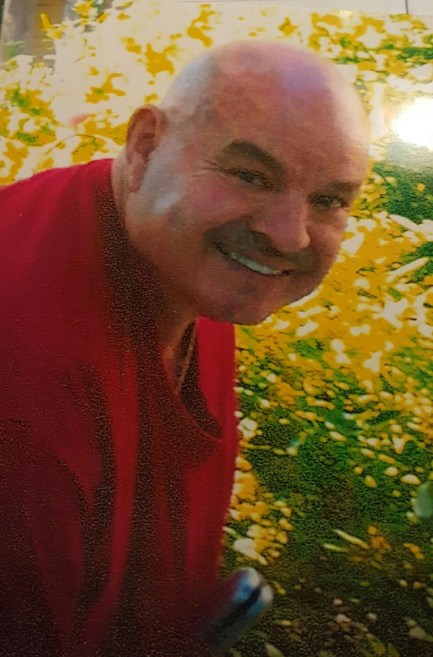
Fundraising Spotlight: In Loving Memory of Richard Smith. Photo Courtesy of: Sarah Elizabeth Smith. All rights reserved. The Salgi Esophageal Cancer Research Foundation.
 Leave a Comment » |
  The Salgi Foundation - Esophageal Cancer Awareness, Early Detection & Research | Tagged: acid, acid reflux, acid reflux disease, acid reflux drugs, acid reflux medication, awareness, barrett's, barrett's esophagus, cancer, cancer hope, cancer of the esophagus, cancer of the oesophagus, cancer run, cancer walk, charity, diet, disease, drugs, esophageal, esophageal cancer, esophageal cancer advocacy, esophageal cancer advocate, esophageal cancer awareness, esophageal cancer charity, esophageal cancer nonprofit, esophageal cancer nutrition, esophageal cancer research, esophageal cancer research charity, esophageal cancer research foundation, esophageal cancer research news, esophageal cancer run, esophageal cancer walk, esophagus, exercise, fit, fitness, food, gastroenterology, Gastroesophageal Reflux Disease, Gatroesophageal Reflux Disease, gerd, gerd awareness, GERD Awareness Week, gerd diet, gerd nutrition, giving, giving tuesday, givingtuesday, health, health news, healthy., heartburn, heartburn medication, heartburn sufferer, heartburn symptoms, holiday, holiday giving, holiday shopping, hope, lifestyle, medication, news, nutrition, obesity, oesophageal, oesophageal cancer, oesophageal cancer awareness, oesophageal cancer charity, oesophageal cancer nonprofit, oesophageal cancer research, ppi, reflux disease, rhode island, silent reflux, Thanksgiving |
  Permalink
 Posted by salgiblogs
November 28, 2017
Today, Tuesday, November 28, 2017 is Giving Tuesday! The Salgi Esophageal Cancer Research Foundation is honored to participate in this annual event.
Giving Tuesday opens the giving season and with your help, we will raise funds to raise awareness, encourage early detection and fund research of esophageal cancer…in hopes of a cure.™
How can you help make Giving Tuesday a success?
- Help us get the word out on social media by visiting and liking our pages: Facebook, Twitter and Instagram;
- Donate to our charity: salorg/donate, as a 501(c)(3) charity, all donations are tax-deductible;
- Share photos of your loved ones who have been affected by esophageal cancer on social media. Tag us in the photos @SalgiFoundation and we’ll re-post them on our pages;
- Invite your co-workers, family members and friends to contribute by using the message below via social media or email:
“I am supporting The Salgi Esophageal Cancer Research Foundation today on Giving Tuesday and I hope you will, too! [Optional: Insert personal story/reason for helping.] Did you know esophageal cancer is the fastest growing cancer in the US, according to the National Cancer Institute? You can support awareness and research efforts by making a tax-deductible donating online: SALGI.org/donate, and by sharing this information with your friends, family and colleagues by email or on Facebook and/or Twitter. Thank you in advance!“
Don’t forget! You can donate to our charity as a holiday gift!
When you give the gift of a donation to The Salgi Esophageal Cancer Research Foundation, you will be giving a gift that lasts long after the holiday season is over. Donation gifts can be made for anyone- your family, friend, co-worker or an acquaintance. Just make the donation and let us know who and where to send acknowledgment to!
Thank You!
Giving Tuesday helps to unite us in the spirit of giving and to bring a spotlight to esophageal cancer, a cause that needs desperate attention. Let’s make this Giving Tuesday a great success! Thank you in advance for helping to make a difference today and every day.
Leave a Comment » | The Salgi Foundation - Esophageal Cancer Awareness, Early Detection & Research | Tagged: acid, acid reflux, acid reflux disease, acid reflux drugs, acid reflux medication, awareness, barrett's, barrett's esophagus, cancer, cancer hope, cancer of the esophagus, cancer of the oesophagus, cancer run, cancer walk, charity, diet, disease, drugs, esophageal, esophageal cancer, esophageal cancer advocacy, esophageal cancer advocate, esophageal cancer awareness, esophageal cancer charity, esophageal cancer nonprofit, esophageal cancer nutrition, esophageal cancer research, esophageal cancer research charity, esophageal cancer research foundation, esophageal cancer research news, esophageal cancer run, esophageal cancer walk, esophagus, exercise, fit, fitness, food, gastroenterology, Gastroesophageal Reflux Disease, Gatroesophageal Reflux Disease, gerd, gerd awareness, GERD Awareness Week, gerd diet, gerd nutrition, giving, giving tuesday, givingtuesday, health, health news, healthy., heartburn, heartburn medication, heartburn sufferer, heartburn symptoms, holiday, holiday giving, holiday shopping, hope, lifestyle, medication, news, nutrition, obesity, oesophageal, oesophageal cancer, oesophageal cancer awareness, oesophageal cancer charity, oesophageal cancer nonprofit, oesophageal cancer research, ppi, reflux disease, rhode island, silent reflux, Thanksgiving | Permalink
Posted by salgiblogs
February 1, 2017
Our volunteers recently came across an article on PostBulletin.com entitled “[Gastroesophageal] reflux can trigger symptoms similar to cardiac problems.” It is a Mayo Clinic Q & A piece that the Minnesota newspaper published online.
The article question was submitted by a daughter whose father had gone to the emergency room due to chest pain which the doctors said was most likely not a heart attack but could possibly be heartburn. Jeffrey Alexander, M.D from Mayo Clinic, responded to the daughter’s question about her father’s health. While we are pleased with most of the article, two quotes from Dr. Alexander stuck out as major red flags for anyone who suffers from Gastroesophageal Reflux Disease (GERD-which is also known as acid reflux disease).
The first quote from Dr. Alexander we would like to address is:
“Typically, GERD does not require treatment from a health care provider.”
In the United States, approximately 20 percent of the population has GERD, according to the National Institute of Diabetes and Digestive and Kidney Diseases (NIDDK).1
One in five Americans who suffers from GERD. If not properly treated, overtime GERD damages the lining of the esophagus and can cause serious medical conditions, i.e. chronic cough or hoarseness, bleeding or scarring of the esophagus, ulcers, Barrett’s esophagus or esophageal cancer.
Many chronic GERD sufferers turn to antacids or other over-the-counter medications for relief. Others seek help from their doctors and are prescribed medications known as Proton Pump Inhibitors (PPIs), which reduce the amount of acid in the stomach; thus treating the symptoms of GERD but not the disease. Recent research has shown that PPIs may not protect against Barrett’s esophagus and/or esophageal cancer.2
Therefore, those who suffer from GERD should not self-medicate alone, but should speak with their doctor and a doctor who specializes in GERD to reduce the risk of damage to the esophagus.
This leads us to the second quote by Dr. Alexander from the article that we would like to address:
“GERD can be managed, and nobody dies from it.”
GERD is a primary risk factor for esophageal cancer (adenocarcinoma), one of the fastest growing and deadliest cancers in the United States and the western world. Incidences of esophageal cancer and GERD have increased significantly in past decades. In fact, incidence of esophageal cancer has risen over 600%. Unfortunately, esophageal cancer has an overall five-year survival rate of only 18.4%.3
While GERD in and of itself won’t cause anyone to die, the damage that GERD can cause to the esophagus very well could eventually lead people to die.
President of The Salgi Foundation, Linda Molfesi, knows all too well the dangers of heartburn and GERD.
“My father suffered from chronic heartburn for years and was never warned by doctors of the possible risks. We found out too late, once he started having difficulty swallowing, that his chronic reflux had led to esophageal cancer.” Molfesi continued, “My father passed away a little over a year from the date he was diagnosed and it was, and still is, devastating,” Molfesi said.
In addition to esophageal cancer’s dramatic increase over the past decades and its very poor survival rates, there are currently no routine or standard screenings to detect esophageal cancer in its earliest stages.
The Salgi Esophageal Cancer Research Foundation urges the public to be proactive about their health. Never ignore frequent heartburn or other symptoms and never rely on medications alone. If you suffer from heartburn, chest pain or any other symptom, talk to your doctor about all your options, especially how you can get screened for any possible damage.
Dr. Alexander does mention that lifestyle changes can help manage GERD symptoms and he also notes common “warning” symptoms which could point to more serious problems, including esophageal cancer.
However, GERD is a progressive disease which will only get worse if not properly treated. Once again, we must stress that it is very important to speak to your doctor if you are experiencing GERD to manage symptoms, get screened and reduce your risk of Barrett’s esophagus and/or esophageal cancer.
Sources:
- GERD by the Numbers: Facts, Statistics & You. Ann Pietrangelo. Medically Reviewed by George T. Krucik, MD, MBA on March 2, 2015. Healthline Media. healthline.com
- Does any acid reflux medication prevent esophageal cancer? Bruce Kaechele. RefluxMD refluxmd.com
- Cancer Stat Facts: Esophageal Cancer. National Cancer Institute, Surveillance, Epidemiology and End Results Program, seer.cancer.gov
- Gastroesophagel reflux can trigger symptoms similar to cardiac problems. Jeffrey Alexander, M.D., Gastroenterology and Hepatology, Mayo Clinic, Rochester. Mayo Clinic Q & A postbulletin.com
The Salgi Esophageal Cancer Research Foundation is a 501 (c) (3) non profit organization as recognized by the Internal Revenue Service.
Content found on Salgi.org is for informational purposes only. The Content is not intended to be a substitute for professional medical advice, diagnosis, or treatment. Seek the advice of your physician or other qualified health provider with any questions you may have regarding a medical condition.
Leave a Comment » | The Salgi Foundation - Esophageal Cancer Awareness, Early Detection & Research | Tagged: acid, acid reflux, acid reflux disease, acid reflux drugs, acid reflux medication, awareness, barrett's, barrett's esophagus, cancer, cancer of the esophagus, cancer of the oesophagus, cancer run, cancer walk, charity, diet, disease, drugs, esophageal, esophageal cancer, esophageal cancer advocacy, esophageal cancer advocate, esophageal cancer awareness, esophageal cancer charity, esophageal cancer nonprofit, esophageal cancer nutrition, esophageal cancer research, esophageal cancer research charity, esophageal cancer research foundation, esophageal cancer research news, esophageal cancer run, esophageal cancer walk, esophagus, exercise, fit, fitness, food, gastroenterology, Gastroesophageal Reflux Disease, Gatroesophageal Reflux Disease, gerd, gerd awareness, GERD Awareness Week, gerd diet, gerd nutrition, health, health news, healthy., heartburn, heartburn medication, heartburn sufferer, heartburn symptoms, lifestyle, medication, news, nutrition, obesity, oesophageal, oesophageal cancer, oesophageal cancer awareness, oesophageal cancer charity, oesophageal cancer nonprofit, oesophageal cancer research, ppi, reflux disease, rhode island, silent reflux, Thanksgiving | Permalink
Posted by salgiblogs
January 30, 2017
via: The European CanCer Organisation (ECCO)
“A test that measures the levels of five chemicals in the breath has shown promising results for the detection of cancers of the esophagus and stomach in a large patient trial presented at the European Cancer Congress 2017 [1].
Together, stomach and esophageal cancer account for around 1.4 million new cancer diagnoses each year worldwide [2]. Both tend to be diagnosed late, because the symptoms are ambiguous, meaning the five-year survival rate for these two types of cancer is only 15%.
Esophageal cancer is considered one of the fastest growing and deadliest cancers in the United States and western world, with over a 600% increase in the past decades.
The new research, involving more than 300 patients, showed that the test could diagnose cancer with an overall accuracy of 85%.
Dr Sheraz Markar, an NIHR Clinical Trials Fellow from Imperial College London, under the supervision of Professor George Hanna, told the Congress: “At present the only way to diagnose esophageal cancer or stomach cancer is with endoscopy. This method is expensive, invasive and has some risk of complications.
“A breath test could be used as a non-invasive, first-line test to reduce the number of unnecessary endoscopies. In the longer term this could also mean earlier diagnosis and treatment, and better survival.”
The trial was based on the results of previous research that suggested differences in the levels of specific chemicals (butyric, pentanoic and hexanoic acids, butanal, and decanal) between patients with stomach or esophageal cancer and patients with upper gastrointestinal symptoms without cancer. The new research aimed to test whether this ‘chemical signature’ that seemed to typify cancer could be the basis of a diagnostic test.
In the new study, the research team collected breath samples from 335 people at St Mary’s Hospital, Imperial College Healthcare NHS Trust; University College London Hospital; and the Royal Marsden Hospital, London. Of these, 163 had been diagnosed with stomach or esophageal cancer and 172 showed no evidence of cancer when they had an endoscopy.
All the samples were analysed with a technique called selected ion flow-tube mass spectrometry, which is able to accurately measure small amounts of different chemicals in mixtures of gases such as breath.
Researchers measured the levels of the five chemicals in each sample to see which ones matched to the ‘chemical signature’ that indicated cancer.
The results showed that the test was 85% accurate overall, with a sensitivity of 80% and a specificity of 81%. This means that not only was the breath test good at picking up those who had cancer (sensitivity), it was also good at correctly identifying who did not have cancer (specificity).
Dr Markar said: “Because cancer cells are different to healthy ones, they produce a different mixture of chemicals. This study suggests that we may be able detect these differences and use a breath test to indicate which patients are likely to have cancer of the esophagus and stomach, and which do not. However, these findings must be validated in a larger sample of patients before the test could be used in the clinic.”
Over the next three years, the researchers will continue with a larger trial, using the test with patients who are being given an endoscopy for gastrointestinal symptoms but not yet diagnosed with cancer. This will assess the ability of the test to pick up cases within a group that is likely to contain only a small percentage of cancers.
The team is also working on breath tests for other types of cancer, such as colorectal and pancreatic, which could be used as first-line tests in general practice surgeries.”
Story Source:
Materials above provided by The European CanCer Organisation (ECCO). Editor Note: Content may be edited.
The Salgi Esophageal Cancer Research Foundation is a 501 (c) (3) non profit organization as recognized by the Internal Revenue Service.
Content found on Salgi.org is for informational purposes only. The Content is not intended to be a substitute for professional medical advice, diagnosis, or treatment. Seek the advice of your physician or other qualified health provider with any questions you may have regarding a medical condition.
Leave a Comment » | The Salgi Foundation - Esophageal Cancer Awareness, Early Detection & Research | Tagged: acid, acid reflux, acid reflux disease, acid reflux drugs, acid reflux medication, awareness, barrett's, barrett's esophagus, cancer, cancer of the esophagus, cancer of the oesophagus, cancer run, cancer walk, charity, diet, disease, drugs, esophageal, esophageal cancer, esophageal cancer advocacy, esophageal cancer advocate, esophageal cancer awareness, esophageal cancer charity, esophageal cancer nonprofit, esophageal cancer nutrition, esophageal cancer research, esophageal cancer research charity, esophageal cancer research foundation, esophageal cancer research news, esophageal cancer run, esophageal cancer walk, esophagus, exercise, fit, fitness, food, gastroenterology, Gastroesophageal Reflux Disease, Gatroesophageal Reflux Disease, gerd, gerd awareness, GERD Awareness Week, gerd diet, gerd nutrition, health, health news, healthy., heartburn, heartburn medication, heartburn sufferer, heartburn symptoms, lifestyle, medication, news, nutrition, obesity, oesophageal, oesophageal cancer, oesophageal cancer awareness, oesophageal cancer charity, oesophageal cancer nonprofit, oesophageal cancer research, ppi, reflux disease, rhode island, silent reflux, Thanksgiving | Permalink
Posted by salgiblogs
December 3, 2016
Would you like to make a difference this holiday season by supporting The Salgi Esophageal Cancer Research Foundation’s efforts to promote esophageal cancer awareness and raise funding for potentially life-saving research?
If you answered yes, consider hosting a fundraiser! Fundraising can also be done online through a fundraising page on Charity GoFundMe. It takes less than five minutes to set up! (Click here to start your own personal fundraising page.)
 Fundraising and donations are essential to this mission! The Salgi Esophageal Cancer Research Foundation was able to award grant funding for esophageal cancer research in 2015. This feat was accomplished in less than five years since the charity was formed. Your support is crucial to ensuring that more research can be funded in the new year.
If you are hosting an in-person fundraiser in the Rhode Island area, we might also be able to guest speak, provide you with information and help educate others about esophageal cancer, prevention and awareness. Remember, The Salgi Esophageal Cancer Research Foundation is a 501c3 nonprofit charity so all donations are tax-free and go directly to the mission.
If you would like to organize a fundraiser, contact us here, today!
If you are unable to host a fundraiser, but would like to make a donation, please visit: SALGI.org/donate.
Thank you!
Leave a Comment » | The Salgi Foundation - Esophageal Cancer Awareness, Early Detection & Research | Tagged: acid, acid reflux, acid reflux disease, acid reflux drugs, acid reflux medication, awareness, barrett's, barrett's esophagus, cancer, cancer of the esophagus, cancer of the oesophagus, cancer run, cancer walk, charity, diet, disease, drugs, esophageal, esophageal cancer, esophageal cancer advocacy, esophageal cancer advocate, esophageal cancer awareness, esophageal cancer charity, esophageal cancer nonprofit, esophageal cancer nutrition, esophageal cancer research, esophageal cancer research charity, esophageal cancer research foundation, esophageal cancer research news, esophageal cancer run, esophageal cancer walk, esophagus, exercise, fit, fitness, food, gastroenterology, Gastroesophageal Reflux Disease, Gatroesophageal Reflux Disease, gerd, gerd awareness, GERD Awareness Week, gerd diet, gerd nutrition, health, health news, healthy., heartburn, heartburn medication, heartburn sufferer, heartburn symptoms, lifestyle, medication, news, nutrition, obesity, oesophageal, oesophageal cancer, oesophageal cancer awareness, oesophageal cancer charity, oesophageal cancer nonprofit, oesophageal cancer research, ppi, reflux disease, rhode island, silent reflux, Thanksgiving | Permalink
Posted by salgiblogs
November 23, 2016
The holidays are a wonderful time of year when family and friends can gather together, share thanks and enjoy an abundant feast filled with our favorite foods. Certain habits can cause some unwanted holiday heartburn. Learn how to enjoy the holidays and all of the delicious foods while managing your acid reflux symptoms.
Here are a few tips for you to take with you to the Thanksgiving dinner table:
1. Limit beverage consumption while eating. Sometimes fluids, especially carbonated beverages, can cause more gas in the stomach when combined with food intake. Try to drink slowly after you are done eating.
2. Monitor what you are eating and avoid foods that trigger acid reflux. Foods that have the worse effects on acid reflux are spicy, fatty, fried and citrus foods. Food and drinks that trigger GERD symptoms vary from person to person, so it is important to know your body and determine which are best for you.
3. Limit or avoid alcohol. There are some people, however, who should avoid all alcohol consumption, as even the smallest amounts can cause acid reflux. Alcohol increases the production of stomach acids. Alcohol also relaxes the lower esophageal sphincter (LES), the muscle that is in charge of keeping stomach contents from refluxing into the esophagus.
4. Don’t over-eat. Ask for a smaller plate, take a small sample from each dish and choose “safe” foods that you’ve predetermined do not flare up your acid reflux symptoms. When you’re feeling tempted to overindulge, ask yourself “Is having that second helping of pumpkin pie worth the hours of pain and misery due to the acid reflux afterwards?”
5. Chew slowly. Help your digestive system by chewing every bite slowly and thoroughly. Put your fork down in between bites to help remind yourself to go slow while eating.
6. Wear loose clothing. Clothing which is tight especially around the mid-section can put extra pressure on the abdomen and increase acid reflux symptoms.
7. Sit upright for several hours after you’ve eaten. Or better yet, take a leisurely family stroll around the neighborhood to help settle your stomach and aid digestion. Avoid any rigorous exercise, as it can upset the digestion process and cause reflux symptoms.
8. Pass on the after-dinner coffee. For some, coffee can increase acid reflux and cause symptoms to flare up. Both caffeinated and decaffeinated coffee have shown to aggravate GERD symptoms.
9. Ditch all tobacco products. Tobacco, including cigarettes, cigars, chewing tobacco and pipe tobacco not only worsens GERD symptoms, but it can cause people to develop GERD. Like alcohol, tobacco weakens the lower esophageal sphincter (LES) and increases stomach acids.
While occasional heartburn is not typically a cause for concern, as billions of Americans experience heartburn at some point in their lives, heartburn that occurs more than twice weekly should not be taken lightly, as it could be an indicator of GERD. GERD stands for Gastroesophageal Reflux Disease which is a disease of the digestive system.
Also known as acid reflux disease, GERD is a progressive disease, which means that it worsens overtime, especially if it is not properly treated. The reflux of acids from the stomach damages the lining of the esophagus and can cause major health problems, including an increased risk of esophageal cancer. Speak to your doctor if you are experiencing frequent or chronic heartburn or if your acid reflux symptoms are worsening.
If you, or someone you know, has GERD, RefluxMD has put together an eBook that is surely a must-read! To download a FREE copy of “I Have GERD, Now What?”, click here.
From all of your friends at The Salgi Esophageal Cancer Research Foundation, we wish you a happy, healthy and heartburn-free Thanksgiving!
Sources:
-
Dr. Peter Denk, Struggling with Heartburn? Find Your Trigger Foods, RefluxMD, www.refluxmd.com/learn/resources/2014-07-28/9996/struggling-heartburn-find-your-trigger-foods
-
8 Top Lifestyle Changes to Manage GERD Diana Rodriguez Medically reviewed by Lindsey Marcellin, MD, MPH, Everyday Health, Inc. www.everydayhealth.com/health-report/managing-gerd/lifestyle-changes-to-manage-gerd.aspx
-
Wendl, B., Pfeiffer, A., Pehl, C., Schmidt, T. and Kaess, H. 1994. Effect of decaffeination of coffee or tea on gastro-oesophageal reflux. Alimentary pharmacology & therapeutics. 8(3):283-7.
-
Factors that Contribute to GERD — Use of Tobacco Products, E-MedTV.com
The Salgi Esophageal Cancer Research Foundation is a 501 (c) (3) non profit organization as recognized by the Internal Revenue Service.
Content found on Salgi.org is for informational purposes only. The Content is not intended to be a substitute for professional medical advice, diagnosis, or treatment. Seek the advice of your physician or other qualified health provider with any questions you may have regarding a medical condition.
Leave a Comment » | The Salgi Foundation - Esophageal Cancer Awareness, Early Detection & Research | Tagged: acid, acid reflux, acid reflux disease, acid reflux drugs, acid reflux medication, awareness, barrett's, barrett's esophagus, cancer, cancer of the esophagus, cancer of the oesophagus, cancer run, cancer walk, charity, diet, disease, drugs, esophageal, esophageal cancer, esophageal cancer advocacy, esophageal cancer advocate, esophageal cancer awareness, esophageal cancer charity, esophageal cancer nonprofit, esophageal cancer nutrition, esophageal cancer research, esophageal cancer research charity, esophageal cancer research foundation, esophageal cancer research news, esophageal cancer run, esophageal cancer walk, esophagus, exercise, fit, fitness, food, gastroenterology, Gastroesophageal Reflux Disease, Gatroesophageal Reflux Disease, gerd, gerd awareness, GERD Awareness Week, gerd diet, gerd nutrition, health, health news, healthy., heartburn, heartburn medication, heartburn sufferer, heartburn symptoms, lifestyle, medication, news, nutrition, obesity, oesophageal, oesophageal cancer, oesophageal cancer awareness, oesophageal cancer charity, oesophageal cancer nonprofit, oesophageal cancer research, ppi, reflux disease, rhode island, silent reflux, Thanksgiving | Permalink
Posted by salgiblogs
November 26, 2014
The holidays are a wonderful time of year when family and friends can gather together, share thanks and enjoy an abundant feast filled with our favorite foods. Certain habits can cause some unwanted holiday heartburn. Learn how to enjoy the holidays and all of the delicious foods while managing your acid reflux symptoms.
Here are a few tips for you to take with you to the Thanksgiving dinner table:
- Limit beverage consumption while eating. Sometimes fluids, especially carbonated beverages, can cause more gas in the stomach when combined with food intake. Try to drink slowly after you are done eating.
- Monitor what you are eating and avoid foods that trigger acid reflux. Foods that have the worse effects on acid reflux are spicy, fatty, fried and citrus foods. Food and drinks that trigger GERD symptoms vary from person to person, so it is important to know your body and determine which are best for you.
- Limit or avoid alcohol. There are some people, however, who should avoid all alcohol consumption, as even the smallest amounts can cause acid reflux. Alcohol increases the production of stomach acids. Alcohol also relaxes the lower esophageal sphincter (LES), the muscle that is in charge of keeping stomach contents from refluxing into the esophagus.
- Don’t over-eat. Ask for a smaller plate, take a small sample from each dish and choose “safe” foods that you’ve predetermined do not flare up your acid reflux symptoms. When you’re feeling tempted to overindulge, ask yourself “Is having that second helping of pumpkin pie worth the hours of pain and misery due to the acid reflux afterwards?”
- Chew slowly. Help your digestive system by chewing every bite slowly and thoroughly. Put your fork down in between bites to help remind yourself to go slow while eating.
- Wear loose clothing. Clothing which is tight especially around the mid-section can put extra pressure on the abdomen and increase acid reflux symptoms.
- Sit upright for several hours after you’ve eaten. Or better yet, take a leisurely family stroll around the neighborhood to help settle your stomach and aid digestion. Avoid any rigorous exercise, as it can upset the digestion process and cause reflux symptoms.
- Pass on the after-dinner coffee. For some, coffee can increase acid reflux and cause symptoms to flare up. Both caffeinated and decaffeinated coffee have shown to aggravate GERD symptoms.
- Ditch all tobacco products. Tobacco, including cigarettes, cigars, chewing tobacco and pipe tobacco not only worsens GERD symptoms, but it can cause people to develop GERD. Like alcohol, tobacco weakens the lower esophageal sphincter (LES) and increases stomach acids.
While occasional heartburn is not typically a cause for concern, as billions of Americans experience heartburn at some point in their lives, heartburn that occurs more than twice weekly should not be taken lightly, as it could be an indicator of GERD. GERD stands for Gastroesophageal Reflux Disease which is a disease of the digestive system.
Also known as acid reflux disease, GERD is a progressive disease, which means that it worsens overtime, especially if it is not properly treated. The reflux of acids from the stomach damages the lining of the esophagus and can cause major health problems, including an increased risk of esophageal cancer. Speak to your doctor if you are experiencing frequent or chronic heartburn or if your acid reflux symptoms are worsening.
If you, or someone you know, has GERD, RefluxMD has put together an eBook that is surely a must-read! To download a FREE copy of “I Have GERD, Now What?”, click here.
From all of your friends at The Salgi Esophageal Cancer Research Foundation, we wish you a happy, healthy and heartburn-free Thanksgiving!
Sources:
-
Dr. Peter Denk, Struggling with Heartburn? Find Your Trigger Foods, RefluxMD, www.refluxmd.com/learn/resources/2014-07-28/9996/struggling-heartburn-find-your-trigger-foods
-
8 Top Lifestyle Changes to Manage GERD Diana Rodriguez Medically reviewed by Lindsey Marcellin, MD, MPH, Everyday Health, Inc. www.everydayhealth.com/health-report/managing-gerd/lifestyle-changes-to-manage-gerd.aspx
-
Wendl, B., Pfeiffer, A., Pehl, C., Schmidt, T. and Kaess, H. 1994. Effect of decaffeination of coffee or tea on gastro-oesophageal reflux. Alimentary pharmacology & therapeutics. 8(3):283-7.
-
Factors that Contribute to GERD — Use of Tobacco Products, E-MedTV.com
The Salgi Esophageal Cancer Research Foundation is a 501 (c) (3) non profit organization as recognized by the Internal Revenue Service.
Content found on Salgi.org is for informational purposes only. The Content is not intended to be a substitute for professional medical advice, diagnosis, or treatment. Seek the advice of your physician or other qualified health provider with any questions you may have regarding a medical condition.
Leave a Comment » | The Salgi Foundation - Esophageal Cancer Awareness, Early Detection & Research | Tagged: acid, acid reflux, acid reflux disease, acid reflux drugs, acid reflux medication, acid reflux symptoms, amazon, amazon smile, awareness, barrett's, barrett's esophagus, black friday, cancer, cancer of the esophagus, cancer run, cancer walk, charity, charity shopping, cyber monday, diet, disease, donate, drugs, esophageal, esophageal cancer, esophageal cancer awareness, esophageal cancer research, esophagus, exercise, fit, fitness, food, gastroenterology, Gastroesophageal Reflux Disease, gerd, gerd awareness, GERD symptoms, give, giving tuesday, health, health news, healthy., heartburn, heartburn medication, heartburn sufferer, heartburn symptoms, holiday shopping, lifestyle, Mayo Clinic, medication, news, nutrition, obesity, oesophageal cancer, ppi, proton pump inhibitors, reflux disease, rhode island, ri, shop, shop online, silent reflux, Thanksgiving, the salgi esophageal cancer research foundation, The Salgi Foundation | Permalink
Posted by salgiblogs
November 24, 2013
Thanksgiving, a time for family and friends to gather together, share their thanks and enjoy a delicious and abundant feast. During the holiday season, it can be easy to overindulge in favorite foods and subsequently, for many, to experience heartburn.
The week of Thanksgiving has been dedicated to raising awareness for Gastroesophageal Reflux Disease, known more commonly as GERD.
Occasional heartburn does not typically cause major concern, as millions of Americans experience it at some point in their lives. However, persistent heartburn which typically occurs two or more times a week should not be taken lightly, as it could be a sign of chronic acid reflux or GERD.
The United States National Library of Medicine defines GERD as “a condition in which the stomach contents (food or liquid) leak backwards from the stomach into the esophagus (the tube from the mouth to the stomach).” This occurs when the lower esophageal sphincter (LES), the muscle between the esophagus and stomach, becomes damaged or weakened.
If not properly treated, long-term sufferers of GERD can develop serious medical conditions which include chronic cough or hoarseness, esophagitis, bleeding, scarring or ulcers of the esophagus and Barrett’s esophagus, an abnormal change in the lining of the esophagus that can potentially raise the risk of developing esophageal cancer.
While esophageal cancer only makes up 2% of all cancer deaths in the United States, it has increased over 400% in the past 20 years and is one of the most lethal types of cancers; Stage IV has a daunting survival rate of only 5%. When caught in the early stages, patients have a higher rate of survival, as there are more treatment options available.
President of The Salgi Esophageal Cancer Research Foundation, whose father suffered from chronic acid reflux for years and passed away from esophageal cancer says “If you have frequent heartburn, don’t ignore it or just take a pill. Talk to your doctor about all of your options.”
To read the full article published in GoLocalProv click here: Healthy Living: GERD Awareness Week- November 24-30
Please use the buttons below to share this post and ‘Like’ us on Facebook, too!
The Salgi Esophageal Cancer Research Foundation is a 501 (c) (3) non profit organization as recognized by the Internal Revenue Service.
Content found on Salgi.org is for informational purposes only. The Content is not intended to be a substitute for professional medical advice, diagnosis, or treatment. Seek the advice of your physician or other qualified health provider with any questions you may have regarding a medical condition.
Leave a Comment » | The Salgi Foundation - Esophageal Cancer Awareness, Early Detection & Research | Tagged: acid, acid reflux, acid reflux disease, acid reflux drugs, acid reflux medication, awareness, barrett's, barrett's esophagus, cancer, cancer run, cancer walk, charity, chronic acid reflux, diet, disease, drugs, esophageal, esophageal cancer, esophageal cancer awareness, esophagus, exercise, fit, fitness, food, gastroenterology, Gastroesophageal Reflux Disease, gerd, health news, healthy., heartburn, heartburn medication, heartburn sufferer, heartburn symptoms, lifestyle, medication, news, nutrition, obesity, ppi, reflux disease, reflux., rhode island, ri, run, silent reflux, Thanksgiving, walk | Permalink
Posted by salgiblogs


 The Salgi Esophageal Cancer Research Foundation