The fundraiser we are spotlighting in this post is in memory of Dale F., who was diagnosed at Stage IV and passed away after only one year of treatment. The Salgi Esophageal Cancer Research Foundation is honored to carry out this mission in memory of Dale and we welcome you to learn more about his story and support the fundraising campaign that his sister, Wendy, created.
Unfortunately, stories like Dale’s are all too common. In the past three decades, esophageal cancer has increased over 600% and has become the fastest growing cancer in the United States and western world. Esophageal cancer is also one of the deadliest cancers, as the majority of patients are diagnosed in later stages, with Stage IV, which only has a survival rate of less than 4%.
What has caused this dramatic increase and poor survival? It is due, in part, to four factors: lack of awareness or risk factors and symptoms; no routine/standard screening; late occurrence of symptoms, leading to late diagnosis and lack of research funding for improved detection techniques and treatment options.
My brother Dale was diagnosed with esophageal cancer. It was stage IV when he was diagnosed and he did a little more then a year of treatment. Finding out that he had cancer just crushed us all but he was a fighter and didn’t give up because he has two young children that he wanted to watch growing older. He was very sick from chemotherapy though he was very strong and tried not to show it. Then after a year of treatment he passed away on 2/23/2017, he was only 47 years old. Please let’s raise awareness and find a cure to this very deadly cancer. Thanks for you’re help. ~Wendy
To donate to Wendy’s fundraiser in memory of Dale, please click here.
The Organic Gallery Pop Up Art Show and Fundraiser will take place on Sunday, April 29, 2018 at The White Butterfly Cafe in Jackson, New Jersey.
The show will feature local art and photography talent. 25% of all art sales will benefit The Salgi Esophageal Cancer Research Foundation in support of esophageal cancer awareness and research.
There will also be live acoustic music and refreshments will be served. Please come out and support local artists and this charity! For more information, please visit the event page on Facebook and please share!
Esophageal cancer is the fastest growing cancer in the United States, United Kingdom and other western countries. With no routine or standard screenings, esophageal cancer is also one of the deadliest cancers.
.
.
While raising awareness and research funding for esophageal cancer is something that The Salgi Esophageal Cancer Research Foundation is devoted to accomplishing ALL year, April is a special time to make a BIG impact together.
Here Are Four Simple, Yet Effective Ways You Can Help:
SHOP: Get ready for April by shopping on our online Esophageal Cancer Awareness Store! When you shop at our store, you’re not only raising awareness, but research funding, too, as a portion of all sales from our items goes directly to The Salgi Esophageal Cancer Research Foundation.
DONATE: The Salgi Esophageal Cancer Research Foundation is able to achieve this life-saving mission entirely through the generosity of our supporters. As a 501(c)(3) nonprofit, all donations are 100% tax-deductible and can be made one-time or recurring.
FUNDRAISE: Create your own custom fundraising page. This is a great way to help raise awareness and generate funding for this life-saving mission. Create a page in memory of or as a tribute to a loved one and include photos and your personal story. All donations support The Salgi Esophageal Cancer Research Foundation.
AWARENESS: Follow The Salgi Esophageal Cancer Research Foundation online and share our social media pages to help us spread the word! Use the hashtag: #AllPeriwinkleEverything™ and tag us in your posts! Need ideas? Click the link below:
Did you know that you can shop online to support The Salgi Esophageal Cancer Research Foundation’s mission to raise awareness, encourage early detection and to fund research of esophageal cancer? Visit the links below to get started! Please don’t forget to share this post!
.
.
AmazonSmile
Shop AmazonSmile using our custom link & Amazon will donate a percentage of sales to The Salgi Esophageal Cancer Research Foundation! It’s an easy way to support this mission, without extra effort or cost.
Show your support for esophageal cancer awareness and research with a periwinkle bracelet/wristband AND benefit The Salgi Esophageal Cancer Research Foundation’s mission: awareness, early detection & research.
The word “Agita” in Italian, means heartburn. What better way to let everyone know the dangers of chronic heartburn than to display it on an ornament, year-round PLUS you’ll be raising funds for esophageal cancer awareness & research!
Shop our “Esophageal Cancer” store on Zazzle to start spreading awareness of esophageal cancer while raising funding for this mission! A portion of all sales go directly towards The Salgi Esophageal Cancer Research Foundation.
“Long-term maintenance therapy with proton-pump inhibitors (PPIs) was shown to be associated with an increased risk for esophageal cancer, even in patients taking PPIs for indications not previously associated with this cancer risk, according to results from a new study from Sweden.
The authors call for “a more restrictive attitude towards maintenance use of PPIs.”
However, this “surprising” observation comes from a single cohort study that lacks the evidence to demonstrate a causal relationship, warn experts approached for comment. They say that clinicians shouldn’t stop prescribing PPIs as recommended by current guidelines.
The new study was published online February 22 in Cancer Epidemiology by a team led by Nele Brusselaers, MD, PhD, associate professor of clinical epidemiology at the Karolinska Institutet and the Karolinska University Hospital in Stockholm.
In the study, data from four national registers in Sweden were used to identify 796,492 patients without a history of cancer who were exposed to maintenance PPI therapy between 2005 and 2014. Most were female (58.5%), and 34.0% were age 70 years or older.
The indications for PPI use included maintenance therapy with aspirin (34.8%), nonsteroidal anti-inflammatory drugs (NSAIDs) (30.4%), gastroesophageal reflux disease (GERD) (25.3%), gastroduodenitis (13.2%), and peptic ulcer disease (10.0%). Less than 10% of participants were taking PPIs for other indications.
The team compared this cohort of nearly 800,000 patients taking PPIs to adults in the general population matched for sex and age over the same period.
They found that the overall standardized incidence ratio (SIR) for esophageal adenocarcinoma (EAC) in PPI users was 3.93, and the overall SIR for esophageal squamous cell carcinoma (SCC) was 2.77.
The study also showed that in patients without GERD who were taking PPI maintenance therapy with NSAIDs or aspirin, the SIR for EAC was 2.74 and 2.06, respectively.
To evaluate confounding by indication, stratified analyses were performed for each indication not associated with an increased risk for EAC. This separate analysis was one of the study’s chief strengths because it minimized the risk for confounding by indication that has limited previous research, Brusselaers and colleagues say. However, they were unable to identify the indication for PPI therapy in 25% of the cohort.
Increase in Cancer Not Seen With H2-Antagonists
A comparative analysis in 20,177 patients taking only histamine-2 receptor (H2) antagonists (such as ranitidine) found no increased risk for EAC (SIR, 0.39) or SCC (SIR, 0.50).
This finding “lends support to the hypothesis that this association may be due to PPI medication per se, and not related to other factors that predispose to using anti-acidic medications,” the study authors say.
“To assess generalizability and validity of these results, further investigations in other settings with other distributions of risk factors for oesophageal cancer is necessary,” they write. “Yet, we believe that a more restrictive attitude towards maintenance use of PPIs may be indicated…. Long term use of PPIs should be addressed with caution.”
Assuming that 10.7% of Swedish adults are taking PPI maintenance therapy, 5.4% of all esophageal cancer cases seen in that country’s population during the study period could be conservatively estimated to be attributable to PPI use, they suggest. The population of Sweden was 9.03 million in 2005 and had increased to 9.519 million by 2012.
This is not the first time that long-term PPI therapy has been implicated in increased cancer risk. Most recently, Medscape Medical News reported a Hong Kong study showing that long-term PPI therapy doubled gastric cancer risk after Helicobacter pylori eradication.
Dramatic Increase in Esophageal Cancer
When approached for comment, David A Johnson, MD, professor of medicine and chief of gastroenterology at Eastern Virginia Medical School in Norfolk, said this study “potentially does more harm than good.” A discussion with patients about whether PPI therapy is necessary “is always appropriate,” but clinicians shouldn’t stop prescribing PPIs as recommended, he emphasized.
“These findings are surprising because of the lack of evidence that goes with this observation. The allegation of harm should always start with a hypothesis as to why a reported association may be causal. None is suggested in this report,” Johnson told Medscape Medical News.
Since the introduction of PPIs, the incidence of SCC of the esophagus has increased dramatically, Johnson acknowledged. The incidence of EAC in industrialized countries has also increased.”
“Long-term PPI Use and Increased Esophageal CA Risk” – MedScape– Mar 05, 2018.
Cancer Epidemiol. Published online February 22, 2018.Abstract
Editor Note: Content may be edited.
Disclaimer
This post contains information from an article regarding a recently published abstract and reflects the content of those abstracts. It does not necessarily reflect the views or opinions of The Salgi Esophageal Cancer Research Foundation who cannot be held responsible for the accuracy of the data.
To read more esophageal cancer news, please visit: SALGI.org/news
The Salgi Esophageal Cancer Research Foundation is a 501 (c) (3) non profit organization as recognized by the Internal Revenue Service.
Content found on Salgi.org is for informational purposes only. The Content is not intended to be a substitute for professional medical advice, diagnosis, or treatment. Seek the advice of your physician or other qualified health provider with any questions you may have regarding a medical condition.
“Evolution describes how all living forms cope with challenges in their environment, as they struggle to persevere against formidable odds. Mutation and selective pressure—cornerstones of Darwin’s theory—are the means by which organisms gain an advantageous foothold or pass into oblivion.
In a new study, researchers at Arizona State University’s Biodesign Institute led an international team to explore how evolutionary processes guide the pathways of cells. Their results, which appear in the advanced online edition of the journal Nature Communications, point to influences leading some cells to remain stable over time while driving others to become cancerous and expand without limit.
The new research focuses on a condition known as Barrett’s Esophagus (BE). The disease, which affects over three million Americans, causes cells lining the [esophagus] to change shape from their normal form (known as squamous epithelia) to a pathological cell type (known as columnar epithelia).
A small number of BE patients—just .2 percent per year—will go on to develop a highly lethal, treatment-resistant cancer, known as Esophageal Adenocarcinoma (EAC). Despite advances in therapy, prospects for EAC patients remain bleak—fewer than 15 percent survive beyond 5 years. (While the incidence of EAC in the United States has remained low, it has risen alarmingly in recent years.)
Understanding why most BE patients avoid this fate and some don’t has been a challenge for the medical community. Evolutionary oncologists like Carlo Maley, a researcher at the Biodesign Center for Personalized Diagnostics and a senior author of the new study, believe a better understanding of the evolutionary dynamics of this process may hold the key. The study examines these dynamics over at least 6 years of surveillance. Of the 8 BE patients examined, 4 remain stable and 4 progress to cancer.
“By taking a host of minute samples across the surface of the esophagus, and across many years while these patients were under surveillance to detect cancer, we had an unprecedented view of the dynamics of carcinogenesis,” Maley says.
Sensing the threat
BE presents a conundrum for clinicians. The condition is a risk factor for developing a deadly, highly intractable cancer but only a tiny proportion of BE patients will progress to cancer. Because no reliable means exist at present to distinguish progressors from non-progressors, the only cautionary measures available involve repeated surveillance of BE esophageal cells through endoscopy and biopsy to try to catch EAC-linked abnormalities at an early stage, or methods to burn away the lining of the esophagus.
Such invasive, expensive and often unnecessary screening and interventions result in over-diagnosis and over treatment, while surveillance of esophageal cells on a population-wide basis is impractical. Clearly, a more reliable approach is needed—one that can ferret out those BE patients most likely to advance to EAC.
As the authors note, better predictions will rely in part on testing BE samples at multiple points in time, and an examination of cells extracted from different locations in the esophageal tissue. One positive consequence of aggressive BE cell surveillance is that it has provided researchers with a rich library of data that can be mined using new methods in order to tease out critical factors governing progression vs non-progression to cancer.
Disease origins
Barrett’s Esophagus can develop over time when digestive acid backs up from the stomach into the esophagus, causing damage and growth of precancerous cells. To accurately assess the evolutionary dynamics involved in progression to cancer, researchers need more fine-grained analyses of BE cells, to tease out details that may not be detectable in whole biopsies containing millions of cells.
In BE, the columnar architecture of the epithelium is similar to that of the intestine. Here, well-like structures in the tissue known as crypts appear. At the base of those crypts are stem cells, which replenish the epithelium as older cells migrate up the sides of the crypts and then die off. The study represents the first genome-wide analysis of the evolutionary dynamics in BE at the level of individual crypts. (While crypts may contain more than a single stem cell, these cells tend to be genetically uniform. For this reason, crypt sampling is closely analogous to sampling single BE cells.)
Researchers would like to know why most cases of BE appear to be evolutionarily static over time. Either genetic alterations tend to be rare or, if they are common, cells carrying those alterations do not expand to levels detectable through conventional biopsy. The new study examines the genomes of single crypts in BE to take a closer look at when and where genetic variants arise and how the evolutionary process plays out.
Ominous progression
Advancement from BE to EAC is a process characterized by mounting genomic instability. Over time, BE patients can accumulate mutations in their esophageal lesions, altering the genetic makeup of these cells. Such genetic variation is regarded as a valuable predictor of progression to cancer, though the highly complex dynamics of this process are still being worked out.
The study focused on losses and gains of large regions of chromosomes in the BE cells. Aberrations in the chromosomes are high in those who go on to develop EAC, even 4 years before progression and remain low in non-progressors, pointing to the value of chromosomal diversity as a diagnostic indicator.
The study also examined a phenomenon known as genome doubling. This results from faulty cell division, which creates a cell with twice the normal number of chromosomes. Those likely to progress to EAC were also more likely to experience genome doubling, which is presaged by an increasing rate of accumulation of chromosomal aberrations.
The study examines genetic variation in BE crypts, comparing these with the variation found through examination of biopsies. Multiple biopsies and crypt samples were examined from 8 BE patients at two different time points. Four of these patients progressed to EAC and 4 did not.
Results comparing biopsy and single crypt information show that genetic alterations are indeed rare, even at the crypt level, and that Barrett’s lesions tend to arise from a single ancestral cell gone awry. Further, the study selects cells from different regions of the esophagus and finds that genetic alterations were more common in samples taken near the base of the esophagus, known as the gastro-esophageal junction.
New findings
The study addresses five previously unanswered questions concerning BE. As the authors stress, the results offer new insights into the general process of cell progression to cancer, which may be applicable across many, if not all forms of the disease.
Results indicate that
a) BE tissue in most cases arises from a single altered ancestral cell
b) expansion of cancerous clones (identical cells of common ancestry) is rare
c) cells sampled near the gastro-esophageal junction accumulate more genomic alterations than those found in other regions of the esophagus, making them better targets for diagnosis
d) there are dramatic changes in mutation rate during progression and these may occur early in the process of cancer progression and
e) genetic diversity as measured through biopsy in Barrett’s patients is comparable to that observes in individual crypts, indicating that biopsy analysis is adequate for assessing the evolutionary characteristics of BE cells and their likelihood of progression.
Continued work in this area promises to untangle the complex network of evolutionary factors at play when cells are directed away from their normal course and toward the fateful path of cancer.
The Salgi Esophageal Cancer Research Foundation is a 501 (c) (3) non profit organization as recognized by the Internal Revenue Service.
Content found on Salgi.org is for informational purposes only. The Content is not intended to be a substitute for professional medical advice, diagnosis, or treatment. Seek the advice of your physician or other qualified health provider with any questions you may have regarding a medical condition.
Louisville, KY– “University of Louisville School of Dentistry researchers have found a bacterial species responsible for gum disease, Porphyromonas gingivalis, is present in 61 percent of patients with esophageal squamous cell carcinoma (ESCC).
The findings, published recently in Infectious Agents and Cancer, only detected P. gingivalis in 12 percent of tissues adjacent to the cancerous cells, while this organism was undetected in normal esophageal tissue.
“These findings provide the first direct evidence that P. gingivalis infection could be a novel risk factor for ESCC, and may also serve as a prognostic biomarker for this type of cancer,” said Huizhi Wang, M.D., Ph.D., assistant professor of oral immunology and infectious diseases at the UofL School of Dentistry. “These data, if confirmed, indicate that eradication of a common oral pathogen may contribute to a reduction in the significant number of people suffering with ESCC.”
The esophagus, a muscular tube critical to the movement of food from the mouth to the stomach, is lined with two main kinds of cells, thus there are two main types of esophageal cancer: adenocarcinoma and squamous cell carcinoma. The latter is more common in developing countries.
In collaboration with the College of Clinical Medicine of Henan University of Science and Technology in Luoyang, China, Wang and his UofL colleagues Richard J. Lamont, Ph.D., Jan Potempa, Ph.D., D.Sc., and David A. Scott, Ph.D., tested tissue samples from 100 patients with ESCC and 30 normal controls.”
To read more about the findings from the research team at UofL School of Dentistry, click here.
The Salgi Esophageal Cancer Research Foundation is a 501 (c) (3) non profit organization as recognized by the Internal Revenue Service.
Content found on Salgi.org is for informational purposes only. The Content is not intended to be a substitute for professional medical advice, diagnosis, or treatment. Seek the advice of your physician or other qualified health provider with any questions you may have regarding a medical condition.
Today is Giving Tuesday! The Salgi Esophageal Cancer Research Foundation is honored to participate in this third annual event. In 2012, a group of nonprofit professionals decided to create an annual day of giving. They positioned it around the biggest days of consuming, Black Friday and Cyber Monday. Giving Tuesday opens the giving season and with your help, we will raise funds to spread awareness, encourage early detection and support research of esophageal cancer…in hopes of a cure.™
How can you help make Giving Tuesday a success?
Help us get the word out on social media by visiting and liking our pages: Facebook, Twitter and Instagram;
Consider a donation: SALGI.org/donate, as a 501(c)(3) charity, all donations are tax-deductible;
Share photos of your loved ones who have been affected by esophageal cancer on social media. Tag us in the photos and we’ll re-post them on our pages;
Invite your co-workers, family members and friends to contribute by using the message below via social media or email:
“I am supporting The Salgi Esophageal Cancer Research Foundation today on Giving Tuesday and I hope you will, too! [Optional: Insert personal story/reason for helping.] Did you know esophageal cancer is the fastest growing cancer in the US, according to the National Cancer Institute? You can support awareness and research efforts by making a tax-deductible donating online: SALGI.org/donate, and by sharing this information with your friends, family and colleagues by email or on Facebook and/or Twitter. Thank you in advance!“
Giving Tuesday helps to unite us in the spirit of giving and to bring a spotlight to esophageal cancer, a cause that needs desperate attention. Let’s make this Giving Tuesday a great success! Thank you in advance for helping to make a difference today and every day.
The holidays are a wonderful time of year when family and friends can gather together, share thanks and enjoy an abundant feast filled with our favorite foods. Certain habits can cause some unwanted holiday heartburn. Learn how to enjoy the holidays and all of the delicious foods while managing your acid reflux symptoms.
Here are a few tips for you to take with you to the Thanksgiving dinner table:
Limit beverage consumption while eating. Sometimes fluids, especially carbonated beverages, can cause more gas in the stomach when combined with food intake. Try to drink slowly after you are done eating.
Monitor what you are eating and avoid foods that trigger acid reflux. Foods that have the worse effects on acid reflux are spicy, fatty, fried and citrus foods. Food and drinks that trigger GERD symptoms vary from person to person, so it is important to know your body and determine which are best for you.
Limit or avoid alcohol. There are some people, however, who should avoid all alcohol consumption, as even the smallest amounts can cause acid reflux. Alcohol increases the production of stomach acids. Alcohol also relaxes the lower esophageal sphincter (LES), the muscle that is in charge of keeping stomach contents from refluxing into the esophagus.
Don’t over-eat. Ask for a smaller plate, take a small sample from each dish and choose “safe” foods that you’ve predetermined do not flare up your acid reflux symptoms. When you’re feeling tempted to overindulge, ask yourself “Is having that second helping of pumpkin pie worth the hours of pain and misery due to the acid reflux afterwards?”
Chew slowly. Help your digestive system by chewing every bite slowly and thoroughly. Put your fork down in between bites to help remind yourself to go slow while eating.
Wear loose clothing. Clothing which is tight especially around the mid-section can put extra pressure on the abdomen and increase acid reflux symptoms.
Sit upright for several hours after you’ve eaten. Or better yet, take a leisurely family stroll around the neighborhood to help settle your stomach and aid digestion. Avoid any rigorous exercise, as it can upset the digestion process and cause reflux symptoms.
Pass on the after-dinner coffee. For some, coffee can increase acid reflux and cause symptoms to flare up. Both caffeinated and decaffeinated coffee have shown to aggravate GERD symptoms.
Ditch all tobacco products. Tobacco, including cigarettes, cigars, chewing tobacco and pipe tobacco not only worsens GERD symptoms, but it can cause people to develop GERD. Like alcohol, tobacco weakens the lower esophageal sphincter (LES) and increases stomach acids.
While occasional heartburn is not typically a cause for concern, as billions of Americans experience heartburn at some point in their lives, heartburn that occurs more than twice weekly should not be taken lightly, as it could be an indicator of GERD. GERD stands for Gastroesophageal Reflux Disease which is a disease of the digestive system.
Also known as acid reflux disease, GERD is a progressive disease, which means that it worsens overtime, especially if it is not properly treated. The reflux of acids from the stomach damages the lining of the esophagus and can cause major health problems, including an increased risk of esophageal cancer. Speak to your doctor if you are experiencing frequent or chronic heartburn or if your acid reflux symptoms are worsening.
If you, or someone you know, has GERD, RefluxMD has put together an eBook that is surely a must-read! To download a FREE copy of “I Have GERD, Now What?”, click here.
From all of your friends at The Salgi Esophageal Cancer Research Foundation, we wish you a happy, healthy and heartburn-free Thanksgiving!
Wendl, B., Pfeiffer, A., Pehl, C., Schmidt, T. and Kaess, H. 1994. Effect of decaffeination of coffee or tea on gastro-oesophageal reflux. Alimentary pharmacology & therapeutics. 8(3):283-7.
Factors that Contribute to GERD — Use of Tobacco Products, E-MedTV.com
The Salgi Esophageal Cancer Research Foundation is a 501 (c) (3) non profit organization as recognized by the Internal Revenue Service.
Content found on Salgi.org is for informational purposes only. The Content is not intended to be a substitute for professional medical advice, diagnosis, or treatment. Seek the advice of your physician or other qualified health provider with any questions you may have regarding a medical condition.
As the holiday season approaches, you are getting ready to spend time with loved ones, exchange gifts and celebrate the season and all of its joys. It is also a wonderful time of year to share our important mission with everyone that you know. We at The Salgi Esophageal Cancer Research Foundation understand how valuable your time is; especially during the next few months. Here are a few simple yet powerful ways to take a stand against esophageal cancer during the holidays.
During your Thanksgiving preparations and feast, take time to spread the message regarding the dangerous link between chronic heartburn and esophageal cancer. GERD Awareness Week occurs annually on the week of Thanksgiving. This year GERD Awareness Week starts on Sunday November 23 and ends on Saturday November 29th.
While it is tempting to indulge in our favorite holiday foods and then sometimes even experience a little heartburn, it is certainly a cause for concern if heartburn occurs more than what doctors consider normal, which is twice a week or more. You might be surprised how many people still do not know of the dangers associated with chronic heartburn, also known as GERD or acid reflux disease. Remember, chronic heartburn that is not properly treated can increase the risk of esophageal cancer. Learn more about GERD and what you can do to promote this important week on our “GERD Week” page.
During this season of joy, we ask that you remember us and consider a memorial or tribute donation as a gift to your loved ones. Your donations go directly to our mission of raising awareness, encouraging early detection and funding research of esophageal cancer in hopes of a cure. The Salgi Esophageal Cancer Research Foundation will send a letter of acknowledgement to your loved one, notifying them of your gift donation. To make a memorial or tribute donation, click here.
When you shop AmazonSmile, Amazon will make a donation to our charity each time a purchase is made. This is one of the most effortless ways to give back during the holiday season. Skip the chaos and crowds onBlack Friday, shop online in the convenience of your own home all while supporting this mission. Don’t forget Cyber Monday! AmazonSmile will have even more deals for the holidays on Monday, December 1, 2014, to help you raise even more for esophageal cancer research without spending any extra money. Encourage everyone you know to shop AmazonSmile and select us as your charity to support. AmazonSmile can be done year-round, too. Use this link each and every time you shop on Amazon. Click here!
Giving Tuesday is a global day dedicated to giving back. This year, on Tuesday, December 2, 2014, you can join us and together we can celebrate this day in honor of everyone who has been affected by esophageal cancer. Encourage everyone you know to make a donation using this link: SALGI.org/donate. Use the hashtag #GivingTuesday along with #EsophagealCancer on social media and tag us in your posts on Facebook, Twitter, Instagram and Pinterest.
Connect with us using the buttons below and share this life-saving mission with everyone you know!
The Salgi Esophageal Cancer Research Foundation is a 501 (c) (3) non profit organization as recognized by the Internal Revenue Service.
Content found on Salgi.org is for informational purposes only. The Content is not intended to be a substitute for professional medical advice, diagnosis, or treatment. Seek the advice of your physician or other qualified health provider with any questions you may have regarding a medical condition.


 Posted by salgiblogs



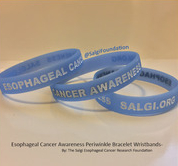 Esophageal Cancer Periwinkle Wristbands
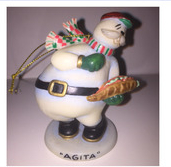 “Agita” Snowpeople Ornament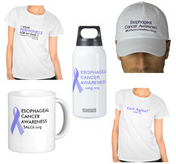




 The Salgi Esophageal Cancer Research Foundation