The Salgi Esophageal Cancer Research Foundation believes that educating as many people as possible regarding risk factors, possible warning symptoms, and statistics associated with esophageal cancer will help in the fight to improve early detection and survival.
Fast Facts
-Esophageal cancer has increased over 733% in the past four decades and is considered the fastest growing cancer in the US and western world.
The Salgi Esophageal Cancer Research Foundation is a 501 (c) (3) nonprofit organization as recognized by the Internal Revenue Service.
Content found on Salgi.org is for informational purposes only. The Content is not intended to be a substitute for professional medical advice, diagnosis, or treatment. Seek the advice of your physician or other qualified health provider with any questions you may have regarding a medical condition.
Management of Barrett’s oesophagus and intramucosal oesophageal cancer: a review of recent development. Shanmugarajah Rajendra and Prateek Sharma, Copyright, 2012, National Center for Biotechnology Information, U.S. National Library of Medicine. Bethesda MD, http://www.ncbi.nlm.nih.gov/pmc/articles/PMC3437535
Barrett’s esophagus and esophageal adenocarcinoma in adults: long-term GERD or something else? Pondugula K, Wani S, Sharma P, Copyright, 2007 National Center for Biotechnology Information, U.S. National Library of Medicine. Bethesda, MD, http://www.ncbi.nlm.nih.gov/pubmed/18377797
Non-Invasive Detection of Esophageal Cancer using Genetic Changes in Circulating Cell-Free DNA Avicenna Journal of Medical Biotechnology, Vol. 4, No. 1, January-March 2012 http://www.ajmb.org/PDF/En/FullText/76.pdf
The Salgi Esophageal Cancer Research Foundation’s Grant Program is now open. Researchers are invited to apply for funding. The deadline to submit Letters of Intent is Friday, April 4, 2025.
The Salgi Esophageal Cancer Research Foundation first awarded program director, Dr. Carlos Minacapelli and Rutgers Robert Wood Johnston Medical School $25,000.00 in grant funding in 2015. In 2017, The American Gastroenterological Association (AGA) Institute Council accepted Dr. Minacapelli’s abstract to be presented as a poster presentation during Digestive Disease Week (DDW) 2017 held in Chicago, IL. The abstract was entitled “Effect of Benzo[a]pyrene along with Acid and Bile is highly carcinogenic as shown in the in-vitro Barrett’s Esophagus Carcinogenesis (BEC) model.”
Then in 2018, The Salgi Esophageal Cancer Research Foundation awarded principal investigator, Dr. Donald Low and Virginia Mason Medical Center, $62,597 in grant funding. Dr. George Hanna of St Mary’s Hospital (Imperial College London) is co-investigator. The research intends to establish a non-invasive test for the detection of esophageal cancer that is based upon the unique signature of volatile organic compounds (VOCs) within exhaled breath and to analyze exhaled VOCs in response to therapeutic intervention in patients. This research is currently underway.
In 2023, The Salgi Foundation Awarded Three Grants for Esophageal Cancer Research.
The Salgi Esophageal Cancer Research Foundation awarded research funding to Dr. Matthew Stachler and The Regents of the University of California in 2023 in the amount of $44,742.00 for the project titled: “Determination of inflammatory influences on progression of Barrett’s esophagus and invasive esophageal adenocarcinoma.”
Dr. Stachler’s research seeks to “understand what drives the progression of preneoplastic disease into invasive cancer by applying the many systems developed for studying advanced cancer to premalignant conditions in early evasive disease with Barrett’s esophagus and esophageal adenocarcinoma being a major focus.”
Due to Salgi’s grant funding, Dr. Stachler will now be able to use the data that was collected to submit a multi-year National Institute of Health grant to continue his work. Otherwise, he may not have had this incredible opportunity.
In 2023, The Salgi Esophageal Cancer Research Foundation also awarded research funding to Dr. Nathan Parker and H. Lee Moffitt Cancer Center & Research Institute, Inc., in the amount of $30,000.00 for the project titled: “Exercise prehabilitation for locoregional esophageal cancer.”
Dr. Parker’s research will “evaluate the feasibility and acceptability of PA and RT exercise prehabilitation components among patients preparing for LEC resection; to examine changes in exploratory outcomes over the course of exercise prehabilitation and recovery following therapy and to compare clinical and treatment outcomes to those of a retrospectively identified comparison group that received no formal exercise prehabilitation programming.”
The Salgi Esophageal Cancer Research Foundation also awarded research funding to Dr. Sazzad Hassan and Indiana University in the amount of $50,000.00 for the project titled: “Overcoming resistance to HER2-targeted therapies in esophageal adenocarcinoma.”
Dr. Hassan’s research will “investigate whether acquired lapatinib resistance in esophageal adenocarcinoma is due to down regulation of heat shock protein 40. These studies might pave the way toward the use of HSP40-glycolytic enzymes interaction targeting as an innovative therapeutic approach to overcome lapatinib resistance.”
Learn the Facts
With over a 733% increase in the past four decades, esophageal cancer is among the fastest growing and deadliest cancers in the United States and the western world. There are no current standard or routine screenings to detect esophageal cancer in its earlier stages. Current guidelines recommend referral for endoscopy “only in the setting of ‘red flag’ symptoms that are frequently associated with inoperable disease,” Dr. Low stated.
These ‘red flag’ symptoms, such as difficulty swallowing, chronic cough, and GERD, typically appear once the cancer has become advanced. This, in addition with other factors, leads to the current overall five-year survival rate of only 20.6%. Despite its rapid increase and poor prognosis, esophageal cancer receives very little awareness and research funding.
Despite its rapid increase and poor prognosis, many people are still unaware of esophageal cancer and research is critically underfunded.
“We are honored to once again open our Grant Program and look forward to awarding esophageal cancer research funding in 2025.
The Salgi Esophageal Cancer Research Foundation is a 501 (c) (3) nonprofit organization as recognized by the Internal Revenue Service.
Content found on Salgi.org is for informational purposes only. The Content is not intended to be a substitute for professional medical advice, diagnosis, or treatment. Seek the advice of your physician or other qualified health provider with any questions you may have regarding a medical condition.
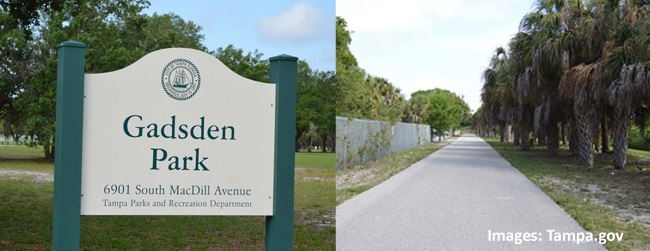
Please join us in welcoming Ratzan Weissman & Boldt, Periwinkle Sponsor of Tampa FL’s 1st Annual Esophageal Cancer Awareness Walk. The event is hosted by The Salgi Esophageal Cancer Research Foundation and will take place Sunday, April 27, 2025, 8am-12pm at Gadsden Park 6901 S MacDill Avenue, Tampa, FL 33611. Guests may also participate virtually on the same day. Sign up today! Click here.
Tampa FL’s 1st Annual Esophageal Cancer Awareness Walk will benefit The Salgi Esophageal Cancer Research Foundation, a 501(c)(3) nonprofit charity working to raise awareness, encourage early detection, and fund research of esophageal cancer…in hopes of a cure.™
2015: First esophageal cancer research grant awarded.
2018: Second esophageal cancer research grant awarded.
2023: Salgi awards THREE additional grants for esophageal cancer research.
2025: Salgi plans to open the grant program again.
Esophageal Cancer Awareness & Early Detection:
The Salgi Esophageal Cancer Research Foundation has also raised awareness and encouraged early detection both nationally AND internationally since 2011. Your continued support directly impacts and sustains this mission!
In Hopes of a CURE™!
#SalgiWalkTampa
Please remember to take pictures during your walk! When posting your photos on social media, use the hashtag #SalgiWalkTampa and tag us @SalgiFoundation. Social media pages/profiles must be public for us to view and share. You can also email them to salgifoundation @ gmail . com to be posted!
Virtual event information:
Virtual guests can participate in their neighborhood, on a trail, bike path, track, by the ocean, river, or wherever guests would like to walk or run. Guests can also bicycle, rollerblade, skateboard, swim, the possibilities are endless! Since the virtual event is not timed, guests are able to participate at their own pace, at any time on Sunday.
Donations are welcome!
If you are unable to participate but would still like to make a difference, you can donate to the event. Everyone can create an online custom fundraising page to help make an even bigger impact. Click here.
Learn the facts about esophageal cancer:
-Esophageal cancer has increased over 733% in the past four decades and is considered the fastest growing cancer in the US and western world.
-As one of the deadliest cancers, esophageal cancer has a 5-year survival rate of only 21.6%.
-There are no routine or standard screenings to improve early detection of esophageal cancer.
-Symptoms often arise late once the cancer is considered advanced or “distant” (spread to lymph nodes and other organs.)
-Stage IV esophageal cancer has a survival rate of only 5.6%.
-Despite all these facts, esophageal cancer research is extremely underfunded.
-In 2025, an estimated 22,070 will be diagnosed and there will be an estimated 16,250 deaths.
Make a difference!
Join The Salgi Esophageal Cancer Research Foundation to help make a difference against esophageal cancer. Whether you walk, run, volunteer, sponsor or donate, your involvement will directly support this life-saving mission. Thank you!
Thank you, Ratzan Weissman & Boldt!
Join us in thanking Ratzan Weissman & Boldt by following on social media!
The Salgi Esophageal Cancer Research Foundation is a 501(c)(3) nonprofit organization as recognized by the Internal Revenue Service. salgi.org Mailing address: PO Box 1912, East Greenwich, RI, 02818.
The Salgi Esophageal Cancer Research Foundation has awarded funding for esophageal cancer research in June 2023; the third time in less than 11 years since the charity was founded.
The Salgi Esophageal Cancer Research Foundation issued not one, not two but THREE grants for esophageal cancer research.
In 2011, The Salgi Esophageal Cancer Research Foundation was established to raise awareness, encourage early detection and to fund research of esophageal cancer. Since 2011, the foundation has both raised awareness and encouraged the importance of earliest possible detection across the United States and internationally. The Salgi Esophageal Cancer Research Foundation first funded esophageal cancer research in July, 2015 and then again in November, 2018.
Current Esophageal Cancer Research Funding
The Salgi Esophageal Cancer Research Foundation awarded research funding to Dr. Matthew Stachler and The Regents of the University of California in the amount of $44,742.00 for the project titled: “Determination of inflammatory influences on progression of Barrett’s esophagus and invasive esophageal adenocarcinoma.”
Dr. Stachler’s research seeks to “understand what drives the progression of preneoplastic disease into invasive cancer by applying the many systems developed for studying advanced cancer to premalignant conditions in early evasive disease with Barrett’s esophagus and esophageal adenocarcinoma being a major focus.”
The Salgi Esophageal Cancer Research Foundation also awarded research funding to Dr. Nathan Parker and H. Lee Moffitt Cancer Center & Research Institute, Inc., in the amount of $30,000.00 for the project titled: “Exercise prehabilitation for locoregional esophageal cancer.”
Dr. Parker’s research will “evaluate the feasibility and acceptability of PA and RT exercise prehabilitation components among patients preparing for LEC resection; to examine changes in exploratory outcomes over the course of exercise prehabilitation and recovery following therapy and to compare clinical and treatment outcomes to those of a retrospectively identified comparison group that received no formal exercise prehabilitation programming.”
The Salgi Esophageal Cancer Research Foundation also awarded research funding to Dr. Sazzad Hassan and Indiana University in the amount of $50,000.00 for the project titled: “Overcoming resistance to HER2-targeted therapies in esophageal adenocarcinoma.”
Dr. Hassan’s research will “investigate whether acquired lapatinib resistance in esophageal adenocarcinoma is due to down regulation of heat shock protein 40. These studies might pave the way toward the use of HSP40-glycolytic enzymes interaction targeting as an innovative therapeutic approach to overcome lapatinib resistance.”
Learn the Facts About Esophageal Cancer
One of the primary risk factors associated with esophageal cancer is Gastroesophageal Reflux Disease, also known as GERD or acid reflux disease, of which the most common symptom is chronic heartburn. Other risk factors include obesity, heavy drinking, poor nutrition and smoking and/or use of tobacco products.
With over a 733% increase in the past four decades, esophageal cancer is among the fastest growing and deadliest cancers in the United States and the western world.1
There are no current standard or routine screenings to detect esophageal cancer in its earlier stages. Currently, guidelines for referral for endoscopy occur when warning symptoms appear.
These warning symptoms, such as difficulty swallowing, typically appear once the cancer has become advanced. This, in addition with other factors mentioned, leads to the current overall five-year survival rate of only 19.2%.2 Despite its rapid increase and poor prognosis, esophageal cancer receives insufficient awareness and research funding.
The Salgi Foundation: Past Esophageal Cancer Research Funding
In July, 2015, The Salgi Esophageal Cancer Research Foundation issued esophageal cancer research funding to Program Director Dr. Carlos Minacapelli and Rutgers Robert Wood Johnston Medical School. That research was presented as a poster presentation during Digestive Disease Week in May, 2017.
In November, 2018, The Salgi Esophageal Cancer Research Foundation awarded principal investigator, Dr. Donald Low and Virginia Mason Medical Center, grant funding. Dr. George Hanna of St Mary’s Hospital (Imperial College London) is co-investigator.
The research, which is currently underway, intends to establish a non-invasive test for the detection of esophageal cancer that is based upon the unique signature of volatile organic compounds (VOCs) within exhaled breath and to analyze exhaled VOCs in response to therapeutic intervention in patients.
The Salgi Esophageal Cancer Research Foundation would like to thank all our supporters and donors who believe in this mission and who make these accomplishments possible. However, this is just the beginning. The Salgi Esophageal Cancer Research Foundation continuously receives many requests for esophageal cancer research. We need to continue our efforts to fundraise so that we may continue to fulfill this mission to raise awareness, encourage early detection and fund research.
To make a tax-deductible donation to The Salgi Esophageal Cancer Research Foundation, please visit: SALGI.org/donate.
The Salgi Esophageal Cancer Research Foundation is a 501(c)(3) nonprofit as recognized by the IRS.
In November, 2014, Richard Huston and his family started a “Beards for Bruce” campaign in support of his father-in-law, Bruce and his battle with esophageal cancer. Unfortunately, in September of this year, Bruce lost his gallant fight with esophageal cancer. Richard said that last year Bruce was “overwhelmed by the love and support demonstrated by family, friends and those who didn’t even know him.”
This year, the family continues the campaign and Richard plans to continue “Beards for Bruce” every November in memory of Bruce to promote early detection of esophageal cancer and to help raise awareness and donations in hopes that someday, they will find a cure.”
The Salgi Esophageal Cancer Research Foundation is honored to fulfill this mission in honor of Bruce and we thank all of Bruce’s family and friends who participate and support the “Beards for Bruce” campaign. Below is an excerpt from the “Beards for Bruce” fundraising website, created by Richard and his family. Please join us in thanking Bruce’s family and friends for supporting this cause and help them in their mission to raise much needed funding for esophageal cancer awareness and research by sharing their fundraising website. Thank you!
Bruce Reavill was a proud Husband, Father, and Grandfather that always made his family the number one priority in his life. He was also my (Richard Huston) Father in Law who was an amazing mentor, father figure, and the head of the family. An absolutely amazing man that seemed to never meet a stranger and left a positive impact every where he would go and with everyone he would meet. He raised two amazing and beautiful daughters; from countless family vacations when they were young to the two of them graduating college and continuing on in life with successful careers and eventually starting their own families. Needless to say he was a very proud father and Grandfather.
In 2013 Bruce and his lovely wife Sandy decided it was time to find that perfect retirement home in a desert oasis. After careful consideration and many options they elected to move to Buckeye, Arizona. This is where they would build the home they always wanted with a pool, room for the grandchildren to visit, and their own souped up golf cart that provided them their number one form of transportation. Surrounded by the beauty of the desert, the elimination of Minnesota winter, and the beautiful Cooper Canyon golf course was the life of retirement that Bruce and Sandy had worked so hard in life for.
Unfortunately after a few short months in Arizona Bruce noticed that he was having trouble swallowing. Initially Bruce put it off as a bad case of heartburn or indigestion; he realized it was not going away and would warrant a trip to the doctor’s office. This trip to the doctor changed Bruce’s life forever as he heard the words “you have esophageal cancer”. The impact on Bruce and our family was immediate and very real. Bruce is one of the strongest and most loving men I have ever known in my lifetime. He has set the bar of how a man should be in life never wavering from what is right, what is best for his family, and his strong believe in his faith in God.
After completing weeks of chemotherapy, radiation, and a very difficult surgery we had thought he was clear of this horrible decease. At his 90 day post exam his PET scan revealed that the cancer had now spread to other parts of his body to include his throat, liver, and bones. The reality of being so far away from family during this very difficult time had taken its toll. So this past winter Bruce and Sandy decided to move back to Minnesota where they could be closer to friends and family. Bruce vowed that he would be Warrior through this process and fight with all his heart.
Bruce would continue chemotherapy, more radiation, and almost daily trips to the doctor’s office. Bruce was a true warrior, a fighter, and a champion who gave it his all with the pride and style that only Bruce could. Unfortunately in September Bruce lost his gallant fight with esophageal cancer. He was a great man that was loved by so many and who will always be missed from this earth.
Last year I organized the Beards for Bruce campaign in support of Bruce’s battle with Cancer. Bruce was overwhelmed by the love and support demonstrated by family, friends and those who didn’t even know him. Many of you participated, donated, and provided support for Bruce last year. For some of you, this may be the first time reading Bruce’s story. I plan to continue Beards for Bruce every November in memory of Bruce to promote early detection of Esophageal Cancer and to help raise awareness and donations in hopes that some day they will find a cure.
I am reaching out and asking for your support in Bruce’s memory and to further esophageal cancer research. For all of you who can take part in growing some facial hair in the month of November, let’s grow out our beards, mustaches, goatees, or in honor of Bruce’s younger years a horseshoe mustache (handle bars) to raise cancer awareness.
We have elected to have all donations to go to The Salgi Esophageal Cancer Research Foundation. All donations go directly to raise awareness, encourage early detection and to fund research of esophageal cancer…in hopes of a cure.™
I hope you will support me and my family in effort to reach my goal by using the links provided for donations.
“Cancer Research UK scientists have found that ‘jumping genes’ may add to the genetic chaos behind more than three-quarters of esophageal cancer cases, according to research published in BMC Genomics.
The scientists, from the University of Cambridge, used cutting-edge technology that can read DNA to study the genes of 43 esophageal tumour and blood samples to discover how much these mobile genetic sequences travel.
‘Jumping genes’, called L1 elements, can uproot themselves and move to new areas in the DNA, sometimes accidentally moving into genes that control the cell’s growth.
They found evidence that this happened around 100 times in each tumour sample, and in some tumours it happened 700 times.
If a jumping gene lands in or near an important gene that controls cell growth, it can wreak havoc, changing how the gene works so that it inadvertently tells the cell to grow and divide out of control – which could lead to cancer.
Study author Dr Paul Edwards, at the Cancer Research UK Cambridge Institute, said: “These jumping genes play hopscotch across our genetic code in cancer cells more than in normal cells. When one of these mobile genetic sequences plants itself in the middle of a gene that controls the cell’s growth it radically alters how the cell behaves, which can sometimes cause cancer.
“Research has shown that this might also happen in lung and bowel cancers. So it’s vital we find out more about how the cells do this in a bid to find ways to treat these cancers.”
The research is part of the International Cancer Genome Consortium (ICGC) – a global project using the latest gene sequencing technology to reveal the genetic changes behind cancer. The esophageal cancer project is funded by Cancer Research UK.
Dr Kat Arney, Cancer Research UK’s science information manager, said: “Esophageal cancer is one of the hardest cancers to treat, and we are committed to funding more research to find out its underlying causes. These new findings reveal more about the genetic chaos that underpins esophageal tumours, and could one day help us develop better ways to diagnose, treat and monitor the disease.”
References: Paterson et al. Mobile element insertions are frequent in oesophageal adenocarcinomas and can mislead paired end sequencing analysis. BMC Genomics. DOI: 10.1186/s12864-015-1685-z.
This post is based on materialsprovided by Cancer Research UK.
The Salgi Esophageal Cancer Research Foundation is a 501 (c) (3) non profit organization as recognized by the Internal Revenue Service.
Content found on Salgi.org is for informational purposes only. The Content is not intended to be a substitute for professional medical advice, diagnosis, or treatment. Seek the advice of your physician or other qualified health provider with any questions you may have regarding a medical condition.
By Liz Janetschek | The ASCO Post. March 25, 2015, Volume 6, Issue 5
The information contained in this Clinical Trials Resource Guide includes actively recruiting observational, interventional, phase I, phase II, and phase III clinical studies for patients with newly diagnosed or recurrent esophageal cancer. All of the studies are listed on the National Institutes of Health website at ClinicalTrials.gov.
The Salgi Esophageal Cancer Research Foundation is a 501 (c) (3) non profit organization as recognized by the Internal Revenue Service.
Content found on Salgi.org is for informational purposes only. The Content is not intended to be a substitute for professional medical advice, diagnosis, or treatment. Seek the advice of your physician or other qualified health provider with any questions you may have regarding a medical condition.
Gastroesophageal Reflux Disease (GERD) is a chronic and often progressive disease which affects more than 60 million Americans, that is roughly 1 out of 5 Americans. If GERD is not properly treated, it can increase the risk of esophageal cancer.
Heartburn is just one of the symptoms associated with GERD. While billions of Americans experience occasional heartburn at some point in their lives, chronic heartburn, which occurs more than twice a week, could be an indicator of GERD, also known as acid reflux disease.
The National Cancer Institute defines GERDas “the backward flow of stomach acid contents into the esophagus (the tube that connects the mouth to the stomach).”
Overtime, this reflux of stomach acids can cause damage to the lining of the esophageal wall and can cause the cells to become abnormal. This change in the cells, which line the lower part of the esophageal wall, is known as Barrett’s esophagus, another risk factor for esophageal cancer.
Dr. Wilson Tsai, in partnership with Bay Area Surgical Specialists (BASS), announced the opening of this center earlier this week.
For many, acid reflux is managed through the use of medications which suppress acid in the stomach. While this is effective in treating the symptom of heartburn, damage could still occur to the esophagus.
“PPIs only mask the symptoms of GERD and do not stop acid reflux, which can lead to Barrett’s esophagus and [esophageal cancer] adenocarcinoma,” Bruce Kaechele, founder of RefluxMD.com stated in their article titled ‘Esophageal cancer and PPI use – Is there a connection?‘
Dr. Wilson Tsai, Program Director at the Heartburn Center of California, stated “medications that reduce the amount of acid in the stomach can be effective in alleviating the burning sensation in the chest caused by GERD” and continued that “for chronic sufferers, this might be masking an underlying structural issue, such as a weak lower esophageal sphincter (LES) or hiatal hernia.”
“If these structural issues are treated solely with medications, stomach contents, including bile, can continue to flow back into the esophagus, potentially leading to Barrett’s esophagus, which can lead to esophageal cancer,” Dr. Tsai stated.
The Heartburn Center of California will use a “progressive and holistic approach” to work with patients to diagnose the cause of their heartburn, reflux and other symptoms to effectively prescribe a “customized treatment plan.”
Treatment plans are dependent on each patient’s individual diagnosis and could include lifestyle changes, medications or minimally invasive procedures.
The LINX® system, a type of minimally invasive procedure, involves laparoscopic placement of a small, magnetic band around the LES, allowing food and liquid to pass into the stomach but prevents stomach content from flowing back up into the esophagus.
The Heartburn Center of California believes that their holistic and methodical approach to diagnosis and treatment will “contribute to a high success rate in identifying and addressing the root cause of the heartburn, as opposed to just treating the symptoms of this increasingly common ailment.”
The center will also provide “very specialized medical professionals with in-depth knowledge and focused technics in diagnosing and treating ailments that result in Gastroesophageal Reflux Disease (GERD).”
President of The Salgi Esophageal Cancer Research Foundation, stated “the problem with GERD as it relates to esophageal cancer is that not enough people understand the dangers of chronic heartburn. They believe that simply taking an antacid or other medication is solving the problem. Some take these medications for years; many are advised by their doctors to do so.”
President continued, “research has shown that damage to the esophagus can continue to occur with the use of PPIs and other medications. Without any standard or routine screening, for many, a diagnosis comes too late, since esophageal cancer typically does not show any symptoms until the cancer has reached an advanced stage. Many who are diagnosed with esophageal cancer pass away within one year of their diagnosis.”
“It is our hope that more centers, such as the Heartburn Center of California, open across the United States that are interested in treating the actual disease, rather than just the symptoms” President concluded.
The Salgi Esophageal Cancer Research Foundation is a 501 (c) (3) non profit organization as recognized by the Internal Revenue Service.
Content found on Salgi.org is for informational purposes only. The Content is not intended to be a substitute for professional medical advice, diagnosis, or treatment. Seek the advice of your physician or other qualified health provider with any questions you may have regarding a medical condition.
A recent study shows that carrying more weight in the midsection may increase one’s risk of developing Barrett’s esophagus, a precursor to esophageal cancer.
Barrett’s esophagus is “a disorder in which the lining of the esophagus (the tube that carries food from the throat to the stomach) is damaged by stomach acid and changed to a lining similar to that of the stomach.”* Barrett’s esophagus has been shown to be a precursor to esophageal cancer.
This study linked a higher amount of visceral fat to a greater risk of Barrett’s esophagus.
The fat located in the abdominal region is either defined as visceral or subcutaneous. Visceral fat surrounds the organs in the abdominal region, while subcutaneous fat is located between the skin and the abdominal wall.
Researchers reported that the elevated risk of Barrett’s esophagus related to the increase of visceral abdominal fat was found in both those who have gastroesophageal reflux disease (GERD) symptoms and also those who do not experience GERD symptoms.
For a more information on the study, please refer to the following two articles:
*“Barrett’s esophagus.” National Center for Biotechnology Information, U.S. National Library of Medicine
The Salgi Esophageal Cancer Research Foundation is a 501 (c) (3) non profit organization as recognized by the Internal Revenue Service.
Content found on Salgi.org is for informational purposes only. The Content is not intended to be a substitute for professional medical advice, diagnosis, or treatment. Seek the advice of your physician or other qualified health provider with any questions you may have regarding a medical condition.
Suffering from heartburn, whether be it during the day or at night, is an annoyance that many Americans cope with, some on a daily basis. An alarming 60 million Americans experience it at least once a month and 25 million Americans suffer from heartburn every day. When heartburn is this frequent or severe, people may be diagnosed with Gastroesophageal Reflux Disease, more commonly known as GERD.
The United States National Library of Medicine defines GERD as “a condition in which the stomach contents (food or liquid) leak backwards from the stomach into the esophagus (the tube from the mouth to the stomach).” This occurs when the lower esophageal sphincter (LES), the muscle between the esophagus and stomach, becomes damaged or weakened.
If not properly treated, long-term sufferers of GERD can develop serious medical conditions, which include chronic cough or hoarseness, esophagitis, bleeding, scarring or ulcers of the esophagus and Barrett’s esophagus, an abnormal change in the lining of the esophagus that can potentially raise the risk of developing esophageal cancer.
It is important to note that many patients who are diagnosed with GERD do not experience heartburn at all. Below are the most frequently reported symptoms of GERD:
• Heartburn (a symptom of acid reflux)
• Bad breath
• Burning or pain in the chest or throat
• Chronic cough
• Hoarseness or chronic sore throat
• Bitter taste in mouth
• Inflammation in the mouth and erosion of teeth
• Problems swallowing
• Asthma-like symptoms
• Excessive belching
GERD is amongst the most prevalent upper gastrointestinal (GI) disorders and most likely one of the most common disease diagnosed by Gastroenterologists across our nation.
For many, GERD does not just disrupt their daily routine, but their sleep as well. GERD sufferers who have trouble sleeping at night could also go on to experience other health problems such as insomnia, sleep apnea, sleepiness during the day and restless leg syndrome.
It is best to first speak to a gastroenterologist or a primary health care provider to see what options are available to treat GERD effectively. Below are some helpful tips in order to reduce GERD symptoms and enjoy a better night’s sleep.
• Eat smaller meals
• Chew food slowly and thoroughly
• Say upright after meals
• Avoid foods which trigger your GERD symptoms (fats, spicy foods, alcohol)
• Keep a food journal to track your “trigger foods”
• Try sleeping with your head elevated. Either with extra pillows or a wedge pillow
• Restrict your eating in the evening
• Do not eat or drink anything two hours before bedtime (with the exception of water for medications.)
Again, please consult your doctor if you are having problems sleeping at night or are experiencing frequent or severe heartburn. These suggestions are intended for informational purposes only.
Content found on Salgi.org is for informational purposes only. The Content is not intended to be a substitute for professional medical advice, diagnosis, or treatment. Seek the advice of your physician or other qualified health provider with any questions you may have regarding a medical condition.
The Salgi Esophageal Cancer Research Foundation is a 501 (c) (3) non profit organization as recognized by the Internal Revenue Service.
Content found on Salgi.org is for informational purposes only. The Content is not intended to be a substitute for professional medical advice, diagnosis, or treatment. Seek the advice of your physician or other qualified health provider with any questions you may have regarding a medical condition.


 Posted by salgiblogs




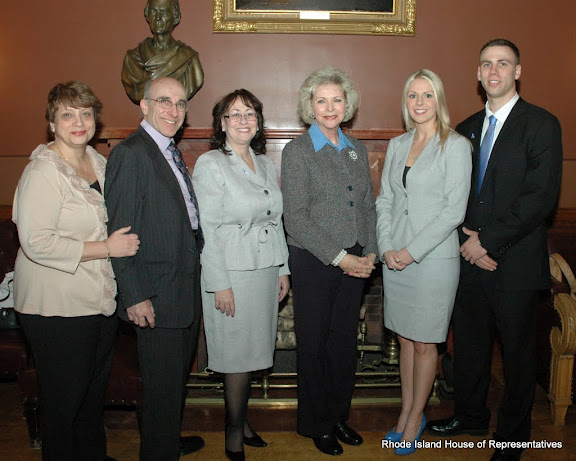


 President of The Salgi Esophageal Cancer Research Foundation, stated “the problem with GERD as it relates to esophageal cancer is that not enough people understand the dangers of chronic heartburn. They believe that simply taking an antacid or other medication is solving the problem. Some take these medications for years; many are advised by their doctors to do so.”

 The Salgi Esophageal Cancer Research Foundation