In November, 2014, Richard Huston and his family started a “Beards for Bruce” campaign in support of his father-in-law, Bruce and his battle with esophageal cancer. Unfortunately, in September of this year, Bruce lost his gallant fight with esophageal cancer. Richard said that last year Bruce was “overwhelmed by the love and support demonstrated by family, friends and those who didn’t even know him.”
This year, the family continues the campaign and Richard plans to continue “Beards for Bruce” every November in memory of Bruce to promote early detection of esophageal cancer and to help raise awareness and donations in hopes that someday, they will find a cure.”
The Salgi Esophageal Cancer Research Foundation is honored to fulfill this mission in honor of Bruce and we thank all of Bruce’s family and friends who participate and support the “Beards for Bruce” campaign. Below is an excerpt from the “Beards for Bruce” fundraising website, created by Richard and his family. Please join us in thanking Bruce’s family and friends for supporting this cause and help them in their mission to raise much needed funding for esophageal cancer awareness and research by sharing their fundraising website. Thank you!
Bruce Reavill was a proud Husband, Father, and Grandfather that always made his family the number one priority in his life. He was also my (Richard Huston) Father in Law who was an amazing mentor, father figure, and the head of the family. An absolutely amazing man that seemed to never meet a stranger and left a positive impact every where he would go and with everyone he would meet. He raised two amazing and beautiful daughters; from countless family vacations when they were young to the two of them graduating college and continuing on in life with successful careers and eventually starting their own families. Needless to say he was a very proud father and Grandfather.
In 2013 Bruce and his lovely wife Sandy decided it was time to find that perfect retirement home in a desert oasis. After careful consideration and many options they elected to move to Buckeye, Arizona. This is where they would build the home they always wanted with a pool, room for the grandchildren to visit, and their own souped up golf cart that provided them their number one form of transportation. Surrounded by the beauty of the desert, the elimination of Minnesota winter, and the beautiful Cooper Canyon golf course was the life of retirement that Bruce and Sandy had worked so hard in life for.
Unfortunately after a few short months in Arizona Bruce noticed that he was having trouble swallowing. Initially Bruce put it off as a bad case of heartburn or indigestion; he realized it was not going away and would warrant a trip to the doctor’s office. This trip to the doctor changed Bruce’s life forever as he heard the words “you have esophageal cancer”. The impact on Bruce and our family was immediate and very real. Bruce is one of the strongest and most loving men I have ever known in my lifetime. He has set the bar of how a man should be in life never wavering from what is right, what is best for his family, and his strong believe in his faith in God.
After completing weeks of chemotherapy, radiation, and a very difficult surgery we had thought he was clear of this horrible decease. At his 90 day post exam his PET scan revealed that the cancer had now spread to other parts of his body to include his throat, liver, and bones. The reality of being so far away from family during this very difficult time had taken its toll. So this past winter Bruce and Sandy decided to move back to Minnesota where they could be closer to friends and family. Bruce vowed that he would be Warrior through this process and fight with all his heart.
Bruce would continue chemotherapy, more radiation, and almost daily trips to the doctor’s office. Bruce was a true warrior, a fighter, and a champion who gave it his all with the pride and style that only Bruce could. Unfortunately in September Bruce lost his gallant fight with esophageal cancer. He was a great man that was loved by so many and who will always be missed from this earth.
Last year I organized the Beards for Bruce campaign in support of Bruce’s battle with Cancer. Bruce was overwhelmed by the love and support demonstrated by family, friends and those who didn’t even know him. Many of you participated, donated, and provided support for Bruce last year. For some of you, this may be the first time reading Bruce’s story. I plan to continue Beards for Bruce every November in memory of Bruce to promote early detection of Esophageal Cancer and to help raise awareness and donations in hopes that some day they will find a cure.
I am reaching out and asking for your support in Bruce’s memory and to further esophageal cancer research. For all of you who can take part in growing some facial hair in the month of November, let’s grow out our beards, mustaches, goatees, or in honor of Bruce’s younger years a horseshoe mustache (handle bars) to raise cancer awareness.
We have elected to have all donations to go to The Salgi Esophageal Cancer Research Foundation. All donations go directly to raise awareness, encourage early detection and to fund research of esophageal cancer…in hopes of a cure.™
I hope you will support me and my family in effort to reach my goal by using the links provided for donations.
When Dustin Hass ran his first marathon, the Portland Half Marathon, with his wife on October 4, 2009, his mother, Diane Hass and her husband, John “Jack” Arnold, came to watch and cheer them on.
Now, four years later, Dustin ran the Portland Half Marathon again but this time, in honor of Jack Arnold, who passed away from complications related to esophageal cancer on July 31, 2015.
Dustin created an online fundraiser benefiting The Salgi Esophageal Cancer Research Foundation and writes on the site that he “chose to do a charity entry in his honor and to help raise awareness about esophageal cancer.”
On October 4, 2015, which also happens to be Diane’s birthday, Dustin ran a personal best of 1:40:05 and placed 10th in his division. He also surpassed his initial fundraising goal of $650, raising over $1,100.00 for The Salgi Esophageal Cancer Research Foundation, which will bring awareness to esophageal cancer and fund research.
Dustin writes of Jack: “He will be missed dearly by our family and many others. He did so much to help our family and he was a loving companion to my mother.” Diane, who planned a trip back to Portland to watch Dustin run the half-marathon this year, was there to celebrate with her son after the race.
On behalf of The Salgi Esophageal Cancer Research Foundation, we would like to thank Dustin for bringing awareness to esophageal cancer and raising much needed funds for awareness and research!
Join us on our Facebook page to congratulate Dustin on running his personal best and far exceeding his fundraising goal in honor of Jack Arnold. Thank you, Dustin!
Dustin Hass and his mother, Diane Hass at the 2015 Portland Half Marathon. Raising awareness and research funding for esophageal cancer. Image courtesy of: Dustin Hass. All rights reserved.
For more information about esophageal cancer and how you can get involved and make a difference, visit the following:
“A nurse-led walk-and-eat intervention is feasible and effective to preserve functional walking capacity and nutritional status in patients with esophageal cancer undergoing neoadjuvant chemoradiotherapy, according to a recent study published in the journal The Oncologist.
For the study, researchers at National Taiwan University in Taipei, Taiwan, sought to evaluate the impact of a walk-and-eat intervention in patients with locally advanced esophageal cancer stage 2B or higher receiving neoadjuvant chemotherapy and radiation. A total of 59 participants were randomly assigned to receive the intervention, which involved nurse-supervised walking 3 times per week and weekly nutritional advice, or usual care during 4 to 5 weeks of chemoradiotherapy.
Results showed that those who received the intervention had a 100-meter less decline in walk distance than control patients, 3-kg less decrease in hand-grip strength, and 2.7-kg less reduction in body weight. Researchers found that the patients’ age did not impact these endpoints.
The study also demonstrated that patients that received the walk-and-eat intervention had significantly lower rates of need for intravenous nutritional support and wheelchair use.”
The Salgi Esophageal Cancer Research Foundation is a 501 (c) (3) non profit organization as recognized by the Internal Revenue Service.
Content found on Salgi.org is for informational purposes only. The Content is not intended to be a substitute for professional medical advice, diagnosis, or treatment. Seek the advice of your physician or other qualified health provider with any questions you may have regarding a medical condition.
The Salgi Esophageal Cancer Research Foundation has issued its first round of funding for esophageal cancer research earlier this month.
The foundation awarded program director, Dr. Carlos Minacapelli and Rutgers Robert Wood Johnston Medical School grant funding.
In 2011, The Salgi Esophageal Cancer Research Foundation was established to raise awareness, encourage early detection and to fund research of esophageal cancer. Since 2011, the foundation has both raised awareness and encouraged the importance of earliest possible detection throughout New England, across the United States and internationally.
“The Salgi Esophageal Cancer Research Foundation is excited to be a part of Dr. Minacapelli’s and Rutger’s research efforts in honor of all the brave men and women who were affected by esophageal cancer and to hopefully reduce incidence and improve outcomes for individuals in the future” President of the foundation stated.
The Salgi Esophageal Cancer Research Foundation would like to thank all of our supporters and donors who believe in this mission and who make these accomplishments possible. However, this is just the beginning. We received many other research requests that we were unable to fund at this time. We need to continue our efforts to fundraise so that we may continue to fund research.
Gastroesophageal Reflux Disease, also known as GERD or acid reflux disease, of which the most common symptom is chronic heartburn, is one of the primary risk factors associated with esophageal cancer. Other risk factors include obesity, poor nutrition and smoking. With over a 600% increase in the past decades, esophageal cancer is among the fastest growing and deadliest cancers in the United States and western world.
Currently, there are no standard or routine screenings to detect esophageal cancer in earlier stages. Symptoms, such as difficulty swallowing, typically appear once the cancer has become advanced and the overall five-year survival rate is only 17.5%. Despite its rapid increase and poor prognosis, esophageal cancer receives very little awareness and research funding.
To make a tax-deductible donation to The Salgi Esophageal Cancer Research Foundation, please visit: SALGI.org/donate.
“A ‘pill on a string’ developed by researchers at the University of Cambridge could help doctors detect esophageal cancer at an early stage, helping them overcome the problem of wide variation between biopsies, suggests research published today in the journal Nature Genetics.
The ‘Cytosponge’ sits within a pill which, when swallowed, dissolves to reveal a sponge that scrapes off cells when withdrawn up the esophagus. It allows doctors to collect cells from all along the esophagus, whereas standard biopsies take individual point samples.
Esophageal cancer is often preceded by Barrett’s esophagus, a condition in which cells within the lining of the esophagus begin to change shape and can grow abnormally. The cellular changes are cause by acid and bile reflux – when the stomach juices come back up the esophagus. Between one and five people in every 100 with Barrett’s esophagus go on to develop esophageal cancer in their life-time, a form of cancer that can be difficult to treat, particularly if not caught early enough.
At present, Barrett’s esophagus and esophageal cancer are diagnosed using biopsies, which look for signs of dysplasia, the proliferation of abnormal cancer cells. This is a subjective process, requiring a trained scientist to identify abnormalities. Understanding how esophageal cancer develops and the genetic mutations involved could help doctors catch the disease earlier, offering better treatment options for the patient.
An alternative way of spotting very early signs of esophageal cancer would be to look for important genetic changes. However, researchers from the University of Cambridge have shown that variations in mutations across the esophagus mean that standard biopsies may miss cells with important mutations. A sample was more likely to pick up key mutations if taken using the Cytosponge, developed by Professor Rebecca Fitzgerald at the Medical Research Council Cancer Unit at the University of Cambridge.
“The trouble with Barrett’s esophagus is that it looks bland and might span over 10cm,” explains Professor Fitzgerald. “We created a map of mutations in a patient with the condition and found that within this stretch, there is a great deal of variation amongst cells. Some might carry an important mutation, but many will not. If you’re taking a biopsy, this relies on your hitting the right spot. Using the Cytosponge appears to remove some of this game of chance.”
Professor Fitzgerald and colleagues carried out whole genome sequencing to analyse paired Barrett’s esophagus and esophageal cancer samples taken at one point in time from 23 patients, as well as 73 samples taken over a three-year period from one patient with Barrett’s esophagus.
The researchers found patterns of mutations in the genome – where one ‘letter’ of DNA might change to another, for example from a C to a T – that provided a ‘fingerprint’ of the causes of the cancer. Similar work has been done previously in lung cancer, where it was shown that cigarettes leave fingerprints in an individual’s DNA. The Cambridge team found fingerprints which they believe are likely to be due to the damage caused to the lining of the esophagus by stomach acid splashing onto its walls; the same fingerprints could be seen in both Barrett’s esophagus and esophageal cancer, suggest that these changes occur very early on the process.
Even in areas of Barrett’s esophagus without cancer, the researchers found a large number of mutations in their tissue – on average 12,000 per person (compared to an average of 18,000 mutations within the cancer). Many of these are likely to have been ‘bystanders’, genetic mutations that occurred along the way but that were not actually implicated in cancer.
The researchers found that there appeared to be a tipping point, where a patient would go from having lots of individual mutations, but no cancer, to a situation where large pieces of genetic information were being transferred not just between genes but between chromosomes.
Co-author Dr Caryn Ross-Innes adds: “We know very little about how you go from pre-cancer to cancer – and this is particularly the case in esophageal cancer. Barrett’s esophagus and the cancer share many mutations, but we are now a step closer to understanding which are the important mutations that tip the condition over into a potentially deadly form of cancer.”
The Salgi Esophageal Cancer Research Foundation is a 501 (c) (3) non profit organization as recognized by the Internal Revenue Service.
Content found on Salgi.org is for informational purposes only. The Content is not intended to be a substitute for professional medical advice, diagnosis, or treatment. Seek the advice of your physician or other qualified health provider with any questions you may have regarding a medical condition.
“The incidence of Barrett’s esophagus (BE) among relatively young people has surged in recent years, an analysis of a large health care database has found.
The study, of 50 million unique patient records between 2008 and 2013, showed that while the absolute incidence remains low among people younger than age 55 years, the share of cases in that group climbed sharply over the five-year period. Meanwhile, cases of BE among people over age 55 fell, suggesting a demographic shift in the disease with potentially important implications for screening, according to the researchers. As a precancerous condition, BE may be more dangerous in younger patients because of the longer time for the abnormal cells to progress to malignancy.
“The increase in the rate of BE was particularly high in the age group of 25 to 34 years,” said Sasan Sakiani, MD, of the Division of Gastroenterology at MetroHealth Medical Center, in Cleveland, and a study co-author.
Ronnie Fass, MD, director of the Division of Gastroenterology and Hepatology at MetroHealth, who helped conduct the study, said more research is needed to identify the underlying basis for the trend.
“The impetus behind the study was the growing number of younger patients with GERD [gastroesophageal reflux disease]-related symptoms who were diagnosed with Barrett’s esophagus in our clinic,” Dr. Fass said. “It was important for us to further assess this trend because of the important impact it will likely have on our current guidelines for BE screening.”
Dr. Sakiani’s group presented the findings at Digestive Disease Week 2015 (abstract SA1881). The researchers analyzed the Explorys database, which includes data from 317,000 providers admitting patients to 360 hospitals in the United States. The database was initially surveyed by the International Classification of Diseases, 9th edition code for GERD, symptoms of heartburn and other risk factors for BE. The researchers conducted additional analyses to find patients who underwent endoscopy and received a diagnosis of BE between 2008 and 2013, to establish an annual incidence by patient age, sex and race.
“There was a steady increase in both the number of endoscopic procedures performed each year and the incidence of BE,” Dr. Sakiani said. By 2013, the number of endoscopies had risen to 201,140 from 79,040 in 2008, while the incidence of BE increased from 1,970 to 4,269 over that period.”
The Salgi Esophageal Cancer Research Foundation is a 501 (c) (3) non profit organization as recognized by the Internal Revenue Service.
Content found on Salgi.org is for informational purposes only. The Content is not intended to be a substitute for professional medical advice, diagnosis, or treatment. Seek the advice of your physician or other qualified health provider with any questions you may have regarding a medical condition.
“Cancer Research UK scientists have found that ‘jumping genes’ may add to the genetic chaos behind more than three-quarters of esophageal cancer cases, according to research published in BMC Genomics.
The scientists, from the University of Cambridge, used cutting-edge technology that can read DNA to study the genes of 43 esophageal tumour and blood samples to discover how much these mobile genetic sequences travel.
‘Jumping genes’, called L1 elements, can uproot themselves and move to new areas in the DNA, sometimes accidentally moving into genes that control the cell’s growth.
They found evidence that this happened around 100 times in each tumour sample, and in some tumours it happened 700 times.
If a jumping gene lands in or near an important gene that controls cell growth, it can wreak havoc, changing how the gene works so that it inadvertently tells the cell to grow and divide out of control – which could lead to cancer.
Study author Dr Paul Edwards, at the Cancer Research UK Cambridge Institute, said: “These jumping genes play hopscotch across our genetic code in cancer cells more than in normal cells. When one of these mobile genetic sequences plants itself in the middle of a gene that controls the cell’s growth it radically alters how the cell behaves, which can sometimes cause cancer.
“Research has shown that this might also happen in lung and bowel cancers. So it’s vital we find out more about how the cells do this in a bid to find ways to treat these cancers.”
The research is part of the International Cancer Genome Consortium (ICGC) – a global project using the latest gene sequencing technology to reveal the genetic changes behind cancer. The esophageal cancer project is funded by Cancer Research UK.
Dr Kat Arney, Cancer Research UK’s science information manager, said: “Esophageal cancer is one of the hardest cancers to treat, and we are committed to funding more research to find out its underlying causes. These new findings reveal more about the genetic chaos that underpins esophageal tumours, and could one day help us develop better ways to diagnose, treat and monitor the disease.”
References: Paterson et al. Mobile element insertions are frequent in oesophageal adenocarcinomas and can mislead paired end sequencing analysis. BMC Genomics. DOI: 10.1186/s12864-015-1685-z.
This post is based on materialsprovided by Cancer Research UK.
The Salgi Esophageal Cancer Research Foundation is a 501 (c) (3) non profit organization as recognized by the Internal Revenue Service.
Content found on Salgi.org is for informational purposes only. The Content is not intended to be a substitute for professional medical advice, diagnosis, or treatment. Seek the advice of your physician or other qualified health provider with any questions you may have regarding a medical condition.
“The American Society for Gastrointestinal Endoscopy (ASGE) has issued new Guidelines that cite Stretta as a viable treatment option for Gastroesophageal Reflux Disease (GERD).
According to the Guidelines, Stretta was seen as safe, effective and durable, specifically stating: “Adverse events were infrequent and typically minor. The technique appears to durably relieve GERD symptoms for up to 10 years in the majority of patients.” The document was prepared by the ASGE Standards of Practice Committee, approved by the ASGE Governing Board, and published in the June issue of Gastrointestinal Endoscopy.
Stretta is a minimally-invasive endoscopic treatment that delivers non-ablative radiofrequency (RF) energy to improve and restore the function of the lower esophageal sphincter muscle, thereby improving symptoms of GERD.
“The recent ASGE guideline regarding the role of endoscopy in treating GERD highlights the safety, efficacy, and durability of Stretta,” said Robert D. Fanelli, MD, MHA, Chief of Minimally Invasive Surgery and Surgical Endoscopy for The Guthrie Clinic and a member of both the ASGE Standards of Practice Committee and the SAGES Guidelines Committee. “This guideline, in concert with the previously published SAGES Clinical Spotlight Review on endoluminal reflux therapy, demonstrates support for Stretta as a treatment option for appropriately selected patients with GERD, based on rigorous reviews of the literature.”
The ASGE guidelines also state, “This technique uses RF energy delivery to the distal esophagus and appears to reduce GERD by decreasing tissue compliance and reducing transient lower esophageal relaxations.” In summary, the guideline suggests that endoscopic antireflux therapy may be considered for select GERD patients.
GERD is the most frequent outpatient GI diagnosis in the U.S. Although most patients are treated with proton pump inhibitors (PPIs), approximately 30 percent have incomplete control of symptoms on PPIs.
GERD is also a risk factor for esophageal cancer which is considered one of the fastest and deadliest cancers in the United States and western world.
Will Rutan, CEO of Mederi Therapeutics, the maker of Stretta said, “With recent studies highlighting potential issues with long-term PPI use, the timing is right for Stretta. Doctors who offer Stretta are positioned to make a difference in the quality of life of their patient by broadening treatment options for those in their care.”
Stretta Therapy is non-surgical treatment option for GERD patients who do not respond well to medications and wish to avoid surgery. Stretta has been the subject of more than 37 studies, all showing a high level of safety and efficacy.
Stretta can be an ideal option for patients whose symptoms are inadequately controlled by drug therapy or choose to avoid surgery. Unlike surgery, Stretta doesn’t alter the anatomy, so it provides a versatile treatment option that doesn’t complicate any future surgery, and can also be utilized in patients who already have had previous anti-reflux or bariatric procedures, and experience recurring GERD.”
This post is based on materialsprovided by Stretta Therapy.
The Salgi Esophageal Cancer Research Foundation is a 501 (c) (3) non profit organization as recognized by the Internal Revenue Service.
Content found on Salgi.org is for informational purposes only. The Content is not intended to be a substitute for professional medical advice, diagnosis, or treatment. Seek the advice of your physician or other qualified health provider with any questions you may have regarding a medical condition.
Rice University device nearly doubled sensitivity of esophageal cancer screenings
In a clinical study of patients in the United States and China, researchers found that a low-cost, portable, battery-powered microendoscope developed by Rice University bioengineers could eventually eliminate the need for costly biopsies for many patients undergoing standard endoscopic screening for esophageal cancer.
The research is available online in the journal Gastroenterology and was co-authored by researchers from nearly a dozen institutions that include Rice, Baylor College of Medicine, the Chinese Academy of Medical Sciences and the National Cancer Institute.
The clinical study, which involved 147 U.S. and Chinese patients undergoing examination for potentially malignant squamous cell tumors, explored whether Rice’s low-cost, high-resolution fiber-optic imaging system could reduce the need for unnecessary biopsies when used in combination with a conventional endoscope — the worldwide standard of care for esophageal cancer diagnoses.
The study involved patients from two U.S. and two Chinese hospitals: Mt. Sinai Medical Center in New York, the University of Texas MD Anderson Cancer Center in Houston, the Cancer Institute and Hospital of the Chinese Academy of Medical Sciences in Beijing and First University Hospital in Jilin, China.
In the study, all 147 patients with suspect lesions were examined with both a traditional endoscope and Rice’s microendoscope. Biopsies were obtained based upon the results of the traditional endoscopic exam.
A pathology exam revealed that more than half of those receiving biopsies — 58 percent — did not have high-grade precancer or cancer. The researchers found that the microendoscopic exam could have spared unnecessary biopsies for about 90 percent of the patients with benign lesions.
In these images from Rice’s high-resolution microendoscope, the white spots are cell nuclei, which are irregularly shaped and enlarged in cancerous tumors (right) as compared with healthy tissue (left). Credit: Richards-Kortum Lab/Rice University
“For patients, biopsies are stressful and sometimes painful,” said lead researcher Rebecca Richards-Kortum, Rice’s Stanley C. Moore Professor of Bioengineering, professor of electrical and computer engineering and director of Rice 360°: Institute for Global Health Technologies. “In addition, in low-resource settings, pathology costs frequently exceed endoscopy costs. So the microendoscope could both improve patient outcomes and provide a significant cost-saving advantage if used in conjunction with a traditional endoscope.”
When examined under a microscope, cancerous and precancerous cells typically appear different from healthy cells. The study of cellular structures is known as histology, and a histological analysis is typically required for an accurate diagnosis of both the type and stage of a cancerous tumor.
To determine whether a biopsy is needed for a histological exam, health professionals often use endoscopes, small cameras mounted on flexible tubes that can be inserted into the body to visually examine an organ or tissue without surgery. Rice’s high-resolution microendoscope uses a 1-millimeter-wide fiber-optic cable that is attached to the standard endoscope. The cable transmits images to a high-powered fluorescence microscope, and the endoscopist uses a tablet computer to view the microscope’s output. The microendoscope provides images with similar resolution to traditional histology and allows endoscopists to see individual cells and cell nuclei in lesions suspected of being cancerous.
By providing real-time histological data to endoscopists, Rice’s microendoscope can help rule out malignancy in cases that would otherwise require a biopsy.
“While traditional endoscopy can rule out malignancy and eliminate the need for biopsies for some patients, in a significant number of cases the difference between malignant and benign lesions only becomes apparent through a histological analysis,” said study co-author Dr. Sharmila Anandasabapathy, professor of medicine and gastroenterology at Baylor College of Medicine and director of Baylor Global Initiatives and the Baylor Global Innovation Center.
Richards-Kortum’s lab specializes in the development of low-cost optical imaging and spectroscopy tools to detect cancer and infectious disease at the point of care. Her research group is particularly interested in developing technology for low-resource settings, and the microendoscope was developed as part of that effort. It is battery-operated, inexpensive to operate and requires very little training. Results from the clinical study verified that both experienced and novice endoscopists could use the microendoscope to make accurate assessments of the need for a biopsy.
Clinical studies of Rice’s microendoscope are either planned or underway for a dozen types of cancer including cervical, bladder, oral and colon cancers.
“More than half of cancer deaths today occur in the developing world, often in low-resource areas,” Anandasabapathy said. “The World Health Organization and other important international bodies have called for increased global focus on noncommunicable diseases like cancer, and Rice’s microendoscope is a great example of what the right kind of technology can do to change health care in low-resource countries.”
The research was supported by the National Cancer Institute. This post is based on materials provided by a Rice University press release, which can be accessed here: news.rice.edu
The Salgi Esophageal Cancer Research Foundation would like to congratulate our Vice President for receiving a Rising Star Award from NonProfit PRO’s 2015 Nonprofit Professionals of the Year.
This achievement was featured in NonProfit PRO’s May 2015 issue which featured the 2015 Nonprofit Professionals of the Year Awards. Below is an excerpt from the magazine.
“Due to our Vice President’s social media and Internet optimization efforts, we have been able to connect with people across the United States, Canada, Australia, Philippines, India, Egypt and the United Kingdom. As a newer nonprofit with very limited funds, she has utilized low to no-cost marketing avenues to bring our message to the masses. Through social media, Google Ad Grants, our website, email newsletters, blogs, print, mailings and so much more, we have been fortunate enough to not only survive these hard times in our first years, but thrive with the promise of better times.”
– President, The Salgi Esophageal Cancer Research Foundation
The Salgi Esophageal Cancer Research Foundation is a 501 (c) (3) non profit organization as recognized by the Internal Revenue Service.
Content found on Salgi.org is for informational purposes only. The Content is not intended to be a substitute for professional medical advice, diagnosis, or treatment. Seek the advice of your physician or other qualified health provider with any questions you may have regarding a medical condition.


 Posted by salgiblogs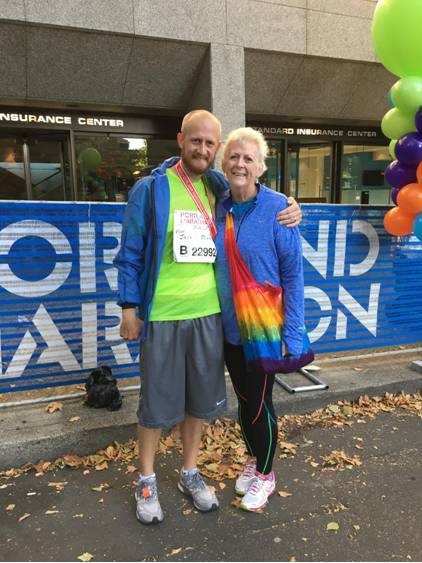



 The Salgi Esophageal Cancer Research Foundation