The Salgi Esophageal Cancer Research Foundation has awarded funding for esophageal cancer research in July 2025; the fourth time in less than 13 years since the charity was founded.
The Salgi Esophageal Cancer Research Foundation issued not one, not two, not three but FOUR grants for esophageal cancer research.
In 2011, The Salgi Esophageal Cancer Research Foundation was established to raise awareness, encourage early detection and to fund research of esophageal cancer. Since 2011, the foundation has both raised awareness and encouraged the importance of earliest possible detection across the United States and internationally. The Salgi Esophageal Cancer Research Foundation awarded its first grant for esophageal cancer research in July 2015 and awarded a second grant in November 2018.
Then, in June 2023, The Salgi Foundation awarded three grants for esophageal cancer research.
The Salgi Esophageal Cancer Research Foundation awarded research funding to Dr. Haeseong Park and Dana Farber Cancer Institute in the amount of $50,000.00 for the project titled: ““Combination of trastuzumab deruxtecan and neratinib in HER2-expressing gastroesophageal cancers.”
Dr. Park’s research seeks to “generate the preclinical data necessary to justify a novel therapeutic strategy for HER2-positive esophageal cancer.”
The Salgi Esophageal Cancer Research Foundation also awarded research funding to Dr. Masood Shammas and Dana Farber Cancer Institute in the amount of $71,039.00 for the project titled: “Targeting a kinase and a nuclease (TTK/APEXI) pair to overcome chemoresistance and immune dysregulation in esophageal adenocarcinoma.”
Dr. Shammas’s research seeks to “modulate TTK/APE1 both alone and in combination in EAC cell lines and normal cell types and to investigate impact on various cellular and molecular characteristics.”
The Salgi Esophageal Cancer Research Foundation also awarded research funding to Dr. Ni Shi and Dr. Fred Tabung and The Ohio State University in the amount of $61,987.00 for the project titled: “Integration of multi-risk factor polygenic score with anti-inflammatory dietary pattern for esophageal cancer prevention.”
Dr. Shi and Dr. Tabung’s research seeks to “investigate how dietary pattern rEDIP interacts with an individual’s genetic risk for esophageal cancer using existing dietary and genomic data from multiple well-characterized cohorts.”
The Salgi Esophageal Cancer Research Foundation also awarded research funding to Dr. Tilak Shah and The Cleveland Clinic in the amount of $66,140.00 for the project titled: “Phase 2 randomized trial of neoadjuvant spray cryotherapy prior to neoadjuvant FLOT in locally advanced esophageal adenocarcinoma.”
Dr. Shah’s research seeks to “assess whether liquid nitrogen spray cryotherapy (LNSC) can increase cure rates with neoadjuvant chemotherapy.”
Learn the Facts About Esophageal Cancer
One of the primary risk factors associated with esophageal cancer is Gastroesophageal Reflux Disease, also known as GERD or acid reflux disease, of which the most common symptom is chronic heartburn. Other risk factors include obesity, heavy drinking, poor nutrition and smoking and/or use of tobacco products.
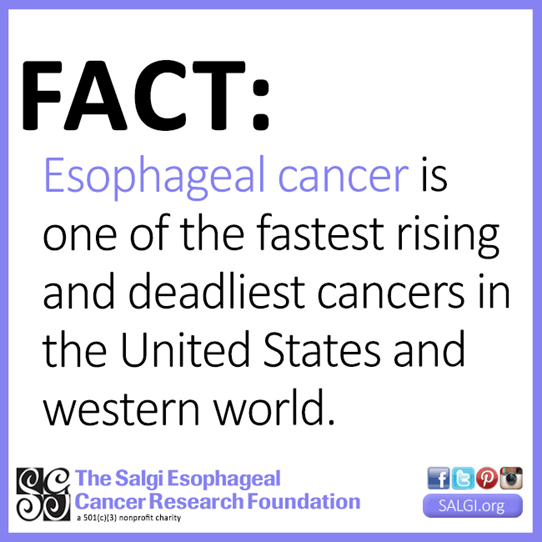
With over a 733% increase in the past four decades, esophageal cancer is among the fastest growing and deadliest cancers in the United States and the western world.1
There are no current standard or routine screenings to detect esophageal cancer in its earlier stages. Currently, guidelines for referral for endoscopy occur when warning symptoms appear.
These warning symptoms, such as difficulty swallowing, typically appear once the cancer has become advanced. This, in addition with other factors mentioned, leads to the current overall five-year survival rate of only 21.9%.2 Despite its rapid increase and poor prognosis, esophageal cancer receives insufficient awareness and research funding.
The Salgi Foundation: Past Esophageal Cancer Research Funding
In 2023, The Salgi Esophageal Cancer Research Foundation awarded research funding to Dr. Matthew Stachler and The Regents of the University of California in the amount of $44,742.00 for the project titled: “Determination of inflammatory influences on progression of Barrett’s esophagus and invasive esophageal adenocarcinoma.”
Dr. Stachler’s research seeks to “understand what drives the progression of preneoplastic disease into invasive cancer by applying the many systems developed for studying advanced cancer to premalignant conditions in early evasive disease with Barrett’s esophagus and esophageal adenocarcinoma being a major focus.”
In 2023, The Salgi Esophageal Cancer Research Foundation also awarded research funding to Dr. Nathan Parker and H. Lee Moffitt Cancer Center & Research Institute, Inc., in the amount of $30,000.00 for the project titled: “Exercise prehabilitation for locoregional esophageal cancer.”
Dr. Parker’s research will “evaluate the feasibility and acceptability of PA and RT exercise prehabilitation components among patients preparing for LEC resection; to examine changes in exploratory outcomes over the course of exercise prehabilitation and recovery following therapy and to compare clinical and treatment outcomes to those of a retrospectively identified comparison group that received no formal exercise prehabilitation programming.”
Lastly, in 2023, The Salgi Esophageal Cancer Research Foundation also awarded research funding to Dr. Sazzad Hassan and Indiana University in the amount of $50,000.00 for the project titled: “Overcoming resistance to HER2-targeted therapies in esophageal adenocarcinoma.”
Dr. Hassan’s research will “investigate whether acquired lapatinib resistance in esophageal adenocarcinoma is due to down regulation of heat shock protein 40. These studies might pave the way toward the use of HSP40-glycolytic enzymes interaction targeting as an innovative therapeutic approach to overcome lapatinib resistance.”
In 2018, The Salgi Esophageal Cancer Research Foundation awarded principal investigator, Dr. Donald Low and Virginia Mason Medical Center, grant funding. Dr. George Hanna of St Mary’s Hospital (Imperial College London) is co-investigator.
The research, which is currently underway, intends to establish a non-invasive test for the detection of esophageal cancer that is based upon the unique signature of volatile organic compounds (VOCs) within exhaled breath and to analyze exhaled VOCs in response to therapeutic intervention in patients.
In 2015, The Salgi Esophageal Cancer Research Foundation issued esophageal cancer research funding to Program Director Dr. Carlos Minacapelli and Rutgers Robert Wood Johnston Medical School. That research was presented as a poster presentation during Digestive Disease Week in May, 2017.
The Salgi Esophageal Cancer Research Foundation would like to thank all our supporters and donors who believe in this mission and who make these accomplishments possible. However, this is just the beginning. The Salgi Esophageal Cancer Research Foundation continuously receives many requests for esophageal cancer research. We need to continue our efforts to fundraise so that we may continue to fulfill this mission to raise awareness, encourage early detection and fund research.
To make a tax-deductible donation to The Salgi Esophageal Cancer Research Foundation, please visit: SALGI.org/donate.
The Salgi Esophageal Cancer Research Foundation is a 501(c)(3) nonprofit as recognized by the IRS.
The Salgi Esophageal Cancer Research Foundation believes that educating as many people as possible regarding risk factors, possible warning symptoms, and statistics associated with esophageal cancer will help in the fight to improve early detection and survival.
Fast Facts
-Esophageal cancer has increased over 733% in the past four decades and is considered the fastest growing cancer in the US and western world.
The Salgi Esophageal Cancer Research Foundation is a 501 (c) (3) nonprofit organization as recognized by the Internal Revenue Service.
Content found on Salgi.org is for informational purposes only. The Content is not intended to be a substitute for professional medical advice, diagnosis, or treatment. Seek the advice of your physician or other qualified health provider with any questions you may have regarding a medical condition.
Management of Barrett’s oesophagus and intramucosal oesophageal cancer: a review of recent development. Shanmugarajah Rajendra and Prateek Sharma, Copyright, 2012, National Center for Biotechnology Information, U.S. National Library of Medicine. Bethesda MD, http://www.ncbi.nlm.nih.gov/pmc/articles/PMC3437535
Barrett’s esophagus and esophageal adenocarcinoma in adults: long-term GERD or something else? Pondugula K, Wani S, Sharma P, Copyright, 2007 National Center for Biotechnology Information, U.S. National Library of Medicine. Bethesda, MD, http://www.ncbi.nlm.nih.gov/pubmed/18377797
Non-Invasive Detection of Esophageal Cancer using Genetic Changes in Circulating Cell-Free DNA Avicenna Journal of Medical Biotechnology, Vol. 4, No. 1, January-March 2012 http://www.ajmb.org/PDF/En/FullText/76.pdf
The Salgi Esophageal Cancer Research Foundation’s Grant Program is now open. Researchers are invited to apply for funding. The deadline to submit Letters of Intent is Friday, April 4, 2025.
The Salgi Esophageal Cancer Research Foundation first awarded program director, Dr. Carlos Minacapelli and Rutgers Robert Wood Johnston Medical School $25,000.00 in grant funding in 2015. In 2017, The American Gastroenterological Association (AGA) Institute Council accepted Dr. Minacapelli’s abstract to be presented as a poster presentation during Digestive Disease Week (DDW) 2017 held in Chicago, IL. The abstract was entitled “Effect of Benzo[a]pyrene along with Acid and Bile is highly carcinogenic as shown in the in-vitro Barrett’s Esophagus Carcinogenesis (BEC) model.”
Then in 2018, The Salgi Esophageal Cancer Research Foundation awarded principal investigator, Dr. Donald Low and Virginia Mason Medical Center, $62,597 in grant funding. Dr. George Hanna of St Mary’s Hospital (Imperial College London) is co-investigator. The research intends to establish a non-invasive test for the detection of esophageal cancer that is based upon the unique signature of volatile organic compounds (VOCs) within exhaled breath and to analyze exhaled VOCs in response to therapeutic intervention in patients. This research is currently underway.
In 2023, The Salgi Foundation Awarded Three Grants for Esophageal Cancer Research.
The Salgi Esophageal Cancer Research Foundation awarded research funding to Dr. Matthew Stachler and The Regents of the University of California in 2023 in the amount of $44,742.00 for the project titled: “Determination of inflammatory influences on progression of Barrett’s esophagus and invasive esophageal adenocarcinoma.”
Dr. Stachler’s research seeks to “understand what drives the progression of preneoplastic disease into invasive cancer by applying the many systems developed for studying advanced cancer to premalignant conditions in early evasive disease with Barrett’s esophagus and esophageal adenocarcinoma being a major focus.”
Due to Salgi’s grant funding, Dr. Stachler will now be able to use the data that was collected to submit a multi-year National Institute of Health grant to continue his work. Otherwise, he may not have had this incredible opportunity.
In 2023, The Salgi Esophageal Cancer Research Foundation also awarded research funding to Dr. Nathan Parker and H. Lee Moffitt Cancer Center & Research Institute, Inc., in the amount of $30,000.00 for the project titled: “Exercise prehabilitation for locoregional esophageal cancer.”
Dr. Parker’s research will “evaluate the feasibility and acceptability of PA and RT exercise prehabilitation components among patients preparing for LEC resection; to examine changes in exploratory outcomes over the course of exercise prehabilitation and recovery following therapy and to compare clinical and treatment outcomes to those of a retrospectively identified comparison group that received no formal exercise prehabilitation programming.”
The Salgi Esophageal Cancer Research Foundation also awarded research funding to Dr. Sazzad Hassan and Indiana University in the amount of $50,000.00 for the project titled: “Overcoming resistance to HER2-targeted therapies in esophageal adenocarcinoma.”
Dr. Hassan’s research will “investigate whether acquired lapatinib resistance in esophageal adenocarcinoma is due to down regulation of heat shock protein 40. These studies might pave the way toward the use of HSP40-glycolytic enzymes interaction targeting as an innovative therapeutic approach to overcome lapatinib resistance.”
Learn the Facts
With over a 733% increase in the past four decades, esophageal cancer is among the fastest growing and deadliest cancers in the United States and the western world. There are no current standard or routine screenings to detect esophageal cancer in its earlier stages. Current guidelines recommend referral for endoscopy “only in the setting of ‘red flag’ symptoms that are frequently associated with inoperable disease,” Dr. Low stated.
These ‘red flag’ symptoms, such as difficulty swallowing, chronic cough, and GERD, typically appear once the cancer has become advanced. This, in addition with other factors, leads to the current overall five-year survival rate of only 20.6%. Despite its rapid increase and poor prognosis, esophageal cancer receives very little awareness and research funding.
Despite its rapid increase and poor prognosis, many people are still unaware of esophageal cancer and research is critically underfunded.
“We are honored to once again open our Grant Program and look forward to awarding esophageal cancer research funding in 2025.
The Salgi Esophageal Cancer Research Foundation is a 501 (c) (3) nonprofit organization as recognized by the Internal Revenue Service.
Content found on Salgi.org is for informational purposes only. The Content is not intended to be a substitute for professional medical advice, diagnosis, or treatment. Seek the advice of your physician or other qualified health provider with any questions you may have regarding a medical condition.
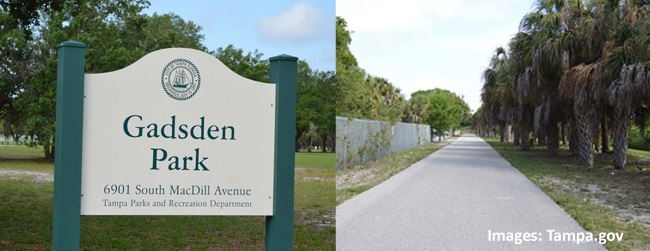
Please join us in welcoming Ratzan Weissman & Boldt, Periwinkle Sponsor of Tampa FL’s 1st Annual Esophageal Cancer Awareness Walk. The event is hosted by The Salgi Esophageal Cancer Research Foundation and will take place Sunday, April 27, 2025, 8am-12pm at Gadsden Park 6901 S MacDill Avenue, Tampa, FL 33611. Guests may also participate virtually on the same day. Sign up today! Click here.
Tampa FL’s 1st Annual Esophageal Cancer Awareness Walk will benefit The Salgi Esophageal Cancer Research Foundation, a 501(c)(3) nonprofit charity working to raise awareness, encourage early detection, and fund research of esophageal cancer…in hopes of a cure.™
2015: First esophageal cancer research grant awarded.
2018: Second esophageal cancer research grant awarded.
2023: Salgi awards THREE additional grants for esophageal cancer research.
2025: Salgi plans to open the grant program again.
Esophageal Cancer Awareness & Early Detection:
The Salgi Esophageal Cancer Research Foundation has also raised awareness and encouraged early detection both nationally AND internationally since 2011. Your continued support directly impacts and sustains this mission!
In Hopes of a CURE™!
#SalgiWalkTampa
Please remember to take pictures during your walk! When posting your photos on social media, use the hashtag #SalgiWalkTampa and tag us @SalgiFoundation. Social media pages/profiles must be public for us to view and share. You can also email them to salgifoundation @ gmail . com to be posted!
Virtual event information:
Virtual guests can participate in their neighborhood, on a trail, bike path, track, by the ocean, river, or wherever guests would like to walk or run. Guests can also bicycle, rollerblade, skateboard, swim, the possibilities are endless! Since the virtual event is not timed, guests are able to participate at their own pace, at any time on Sunday.
Donations are welcome!
If you are unable to participate but would still like to make a difference, you can donate to the event. Everyone can create an online custom fundraising page to help make an even bigger impact. Click here.
Learn the facts about esophageal cancer:
-Esophageal cancer has increased over 733% in the past four decades and is considered the fastest growing cancer in the US and western world.
-As one of the deadliest cancers, esophageal cancer has a 5-year survival rate of only 21.6%.
-There are no routine or standard screenings to improve early detection of esophageal cancer.
-Symptoms often arise late once the cancer is considered advanced or “distant” (spread to lymph nodes and other organs.)
-Stage IV esophageal cancer has a survival rate of only 5.6%.
-Despite all these facts, esophageal cancer research is extremely underfunded.
-In 2025, an estimated 22,070 will be diagnosed and there will be an estimated 16,250 deaths.
Make a difference!
Join The Salgi Esophageal Cancer Research Foundation to help make a difference against esophageal cancer. Whether you walk, run, volunteer, sponsor or donate, your involvement will directly support this life-saving mission. Thank you!
Thank you, Ratzan Weissman & Boldt!
Join us in thanking Ratzan Weissman & Boldt by following on social media!
The Salgi Esophageal Cancer Research Foundation is a 501(c)(3) nonprofit organization as recognized by the Internal Revenue Service. salgi.org Mailing address: PO Box 1912, East Greenwich, RI, 02818.
The month of April is dedicated to this life-saving mission. Even though The Salgi Esophageal Cancer Research Foundation is hard at work, year-round, April is a special time to come together to make a difference!
Join us this month as we continue to raise awareness, encourage early detection and fund research of esophageal cancer…in hopes of a CURE™!
Esophageal cancer is one of the fastest and deadliest cancers in the United States, United Kingdom and other western countries.
The Salgi Esophageal Cancer Research Foundation awarded two research grants, the first in 2015 and the second in 2018. The research awarded in 2018, a breath test for esophageal cancer, is currently underway.
We are honored to share that in 2023, The Salgi Esophageal Cancer Research Foundation awarded THREE grants for esophageal cancer research. All grants are awarded in honor of all who have been affected by esophageal cancer.
While these are tremendous accomplishments, esophageal cancer research is critically underfunded and medical researchers continuously inquire about funding. We are working to fund MORE worthy research for esophageal cancer!
In addition, due to lack of awareness and no routine or standard screenings, many individuals typically face advanced prognosis with limited treatment options.
Now more than ever your support is critically needed to enable this charity to fulfill our mission.
When you make a donation to our charity you are directly supporting esophageal cancer awareness, early detection and research. Donations can be made one-time or recurring, are tax-deductible and go to our mission!
Make an even bigger impact! Create your own custom, fundraising page. Click the “fundraise” button below to get started.
Learn the Facts
-Esophageal cancer increased 733% in the past four decades.
-Esophageal cancer is one of the fastest growing cancers in the United States and western world.
-Esophageal cancer has an overall 5-year survival rate of only 21.7%.
-There are no routine or standard screenings.
-Symptoms often arise late, once the cancer has spread.
-Stage IV has a survival rate of 5.6%.
-Esophageal cancer research is critically underfunded.
-In 2016, an estimated $1.6 billion was spent on esophageal cancer care in the United States.
-2024 estimates for esophageal cancer: 22,370 diagnoses & 16,130 deaths.
2024 Infographic
Save the infographic below and share it on social media to raise awareness. Tag us in your posts. @SalgiFoundation
The Salgi Esophageal Cancer Research Foundation is a registered 501(c)3 organization. EIN: 45-3633809.
The Salgi Esophageal Cancer Research Foundation has awarded funding for esophageal cancer research in June 2023; the third time in less than 11 years since the charity was founded.
The Salgi Esophageal Cancer Research Foundation issued not one, not two but THREE grants for esophageal cancer research.
In 2011, The Salgi Esophageal Cancer Research Foundation was established to raise awareness, encourage early detection and to fund research of esophageal cancer. Since 2011, the foundation has both raised awareness and encouraged the importance of earliest possible detection across the United States and internationally. The Salgi Esophageal Cancer Research Foundation first funded esophageal cancer research in July, 2015 and then again in November, 2018.
Current Esophageal Cancer Research Funding
The Salgi Esophageal Cancer Research Foundation awarded research funding to Dr. Matthew Stachler and The Regents of the University of California in the amount of $44,742.00 for the project titled: “Determination of inflammatory influences on progression of Barrett’s esophagus and invasive esophageal adenocarcinoma.”
Dr. Stachler’s research seeks to “understand what drives the progression of preneoplastic disease into invasive cancer by applying the many systems developed for studying advanced cancer to premalignant conditions in early evasive disease with Barrett’s esophagus and esophageal adenocarcinoma being a major focus.”
The Salgi Esophageal Cancer Research Foundation also awarded research funding to Dr. Nathan Parker and H. Lee Moffitt Cancer Center & Research Institute, Inc., in the amount of $30,000.00 for the project titled: “Exercise prehabilitation for locoregional esophageal cancer.”
Dr. Parker’s research will “evaluate the feasibility and acceptability of PA and RT exercise prehabilitation components among patients preparing for LEC resection; to examine changes in exploratory outcomes over the course of exercise prehabilitation and recovery following therapy and to compare clinical and treatment outcomes to those of a retrospectively identified comparison group that received no formal exercise prehabilitation programming.”
The Salgi Esophageal Cancer Research Foundation also awarded research funding to Dr. Sazzad Hassan and Indiana University in the amount of $50,000.00 for the project titled: “Overcoming resistance to HER2-targeted therapies in esophageal adenocarcinoma.”
Dr. Hassan’s research will “investigate whether acquired lapatinib resistance in esophageal adenocarcinoma is due to down regulation of heat shock protein 40. These studies might pave the way toward the use of HSP40-glycolytic enzymes interaction targeting as an innovative therapeutic approach to overcome lapatinib resistance.”
Learn the Facts About Esophageal Cancer
One of the primary risk factors associated with esophageal cancer is Gastroesophageal Reflux Disease, also known as GERD or acid reflux disease, of which the most common symptom is chronic heartburn. Other risk factors include obesity, heavy drinking, poor nutrition and smoking and/or use of tobacco products.
With over a 733% increase in the past four decades, esophageal cancer is among the fastest growing and deadliest cancers in the United States and the western world.1
There are no current standard or routine screenings to detect esophageal cancer in its earlier stages. Currently, guidelines for referral for endoscopy occur when warning symptoms appear.
These warning symptoms, such as difficulty swallowing, typically appear once the cancer has become advanced. This, in addition with other factors mentioned, leads to the current overall five-year survival rate of only 19.2%.2 Despite its rapid increase and poor prognosis, esophageal cancer receives insufficient awareness and research funding.
The Salgi Foundation: Past Esophageal Cancer Research Funding
In July, 2015, The Salgi Esophageal Cancer Research Foundation issued esophageal cancer research funding to Program Director Dr. Carlos Minacapelli and Rutgers Robert Wood Johnston Medical School. That research was presented as a poster presentation during Digestive Disease Week in May, 2017.
In November, 2018, The Salgi Esophageal Cancer Research Foundation awarded principal investigator, Dr. Donald Low and Virginia Mason Medical Center, grant funding. Dr. George Hanna of St Mary’s Hospital (Imperial College London) is co-investigator.
The research, which is currently underway, intends to establish a non-invasive test for the detection of esophageal cancer that is based upon the unique signature of volatile organic compounds (VOCs) within exhaled breath and to analyze exhaled VOCs in response to therapeutic intervention in patients.
The Salgi Esophageal Cancer Research Foundation would like to thank all our supporters and donors who believe in this mission and who make these accomplishments possible. However, this is just the beginning. The Salgi Esophageal Cancer Research Foundation continuously receives many requests for esophageal cancer research. We need to continue our efforts to fundraise so that we may continue to fulfill this mission to raise awareness, encourage early detection and fund research.
To make a tax-deductible donation to The Salgi Esophageal Cancer Research Foundation, please visit: SALGI.org/donate.
The Salgi Esophageal Cancer Research Foundation is a 501(c)(3) nonprofit as recognized by the IRS.
We care about our community of supporters and our top priority is the health, safety and well being of our walkers, runners, volunteers and sponsors.
Due to the ongoing impact of the pandemic and the uncertainty surrounding events, our in-person Rhode Island and Colorado events are going to be virtual only again this year.
While we are still unable to gather in a large group, we can still make a big impact together!
.
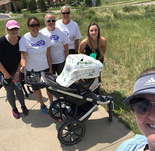
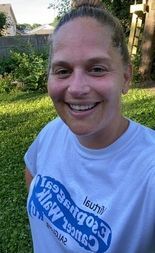
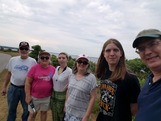
Sign up today for the 2021 Virtual Esophageal Cancer Walk/Run. The virtual event is open world-wide and will take place on Saturday, June 19th or Sunday, June 20th – your choice!
.
T-shirts are available for guests within the continental US for a limited time and children sizes are available, too!
.
.
.
There are two ticket options:
1. T-Shirt Ticket: $30 to participate in the virtual event AND receive a t-shirt. Children size t-shirts available. Must register by Thursday, May 20, 2021 at 5 PM EST. T-shirts open to continental US only.
2. Virtual Ticket Only: $20 to participate in the virtual event only, no t-shirt. Must register by Friday, June 18, 2021 at 5 PM EST.
The virtual event can take place in your neighborhood, on a trail, bike path, track, by the ocean, sea, river or wherever you would like to walk or run. Walk, run, bicycle, roller-blade, skateboard, swim…the possibilities are endless! Since the virtual event is not timed, you are able to participate at your own pace, any distance and at any time either Saturday or Sunday. You may sign up as an individual or as a virtual team.
.
.
..
.
Whether you register or are unable to participate but would still like to make a difference, you can donate to the event. Also, everyone can create an online, custom fundraising page to help make an even bigger impact.
If you have ever wanted to take part in one of our Esophageal Cancer events, now is your chance!
.
.
Thank You, In-Kind Sponsors!
*While supplies last.
.
.
Whether you sign up, donate, create a fundraiser, sponsor, and/or spread the word, we appreciate your support. Our events are a large part of our fundraising and awareness initiatives and we rely on the generosity of individuals and businesses in our communities to make them a success. On behalf of The Salgi Esophageal Cancer Research Foundation, thank you!
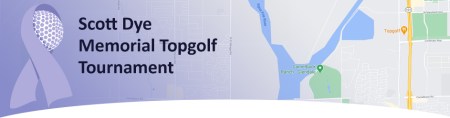
The Scott Dye Memorial Topgolf Tournament will take place on Saturday, May 8, 2021 from 8:45 AM – 12:00 PM MST at Topgolf 6101 North 99th Avenue, Glendale, AZ 85305. Register today! Click here.
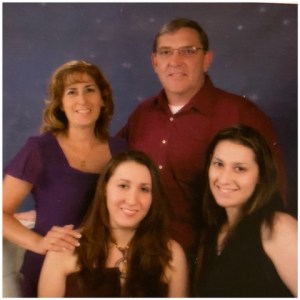
The Dye Family. Photo via: Linda Dye
Linda, Michelle, Jennifer and Richard are coordinating the esophageal awareness event in memory of Scott E. Dye who passed away from stage IV Esophageal Cancer on December 13th, 2015. This is their story:
“It seems like just yesterday that we found out our father was diagnosed with esophageal cancer. Our father went to the hospital for chest pain on November 13, 2015 and after the CAT scan was completed the doctors found a mass on his liver. That is when his primary doctor did more tests (endoscopy) and blood work. The results came back indicating esophageal cancer, Stage IV on November 30, 2015. Once the cancer was known there was nothing but vomiting, nausea and dehydration that came from it in the coming days and weeks. We were watching him quickly go downhill just days after he was diagnosed. During this time, a port was put in so that chemotherapy could start, and the goal was to FIGHT and beat this nightmare.
By December 9, 2015 he was transported back to the hospital due to a stomach hemorrhage. He was clinging to his life as his kidneys started to fail. Our father was placed in ICU and was too weak to start his chemotherapy. This was all happening too fast and we could not process that he was diagnosed with cancer let alone that he passed away on December 13, 2015, just a month after symptoms and a diagnosis was given. To see someone you love pass away in front of your eyes is the most unexplainable feeling you can have and you will remember it forever. We wanted to find a way to help with funding and research. So, we have teamed up with The Salgi Esophageal Cancer Research Foundation as a way to raise awareness and remember our father, and to help others become aware of symptoms and early detection of cancer.”
The event aims to raise awareness, encourage early detection, and fund research esophageal cancer..in hopes of a cure! See below for more event information and to register, click here.
Scott Dye Memorial Topgolf Tournament
Saturday, May 8, 2021, 8:45 AM MST
Topgolf
6101 North 99th Avenue
Glendale, AZ 85305
Tournament player tickets are $99.00 and will have a chance to try for $10,000 ‘Hole in One’ contest. Tournament Top Contender game, Included: Lifetime Membership, swag bag, Raffle Prizes. Rain or shine, Fun for the whole family. Spectators/Breakfast Buffet tickets are $55.00 and will receive a raffle ticket, fun mingling, and cheering on friends and family. Registration is online only and ends on April 26th 2021. Register today! Click here.
EVENT TIMELINE:
8:45 am: Ambassador to greet guests in lobby, And Registration.
Make a charitable gift to The Salgi Esophageal Cancer Research Foundation to support esophageal cancer awareness, early detection and research. Donate Now! All donations are 100% tax deductible.
PLUS!
Facebook will match a total of up to $7 million in donations made on Facebook to eligible US-based 501(c)(3) nonprofits!
Giving Tuesday opens the giving season and with your help, we will raise funds to raise awareness, encourage early detection and fund research of esophageal cancer…in hopes of a cure.™
Giving Tuesday helps to unite us in the spirit of giving and to bring a spotlight to esophageal cancer, a cause that needs desperate attention. Let’s make this Giving Tuesday a great success! Please donate today! Thank you in advance for helping to make a difference today and every day.
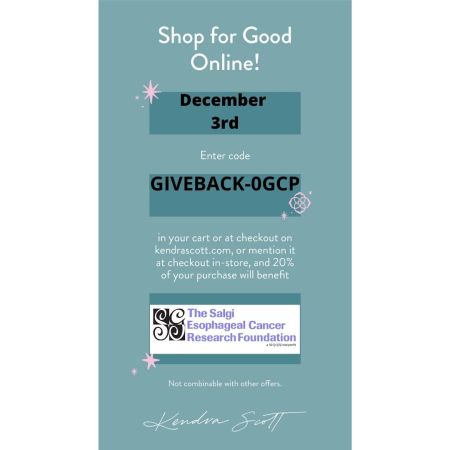
Kendra Scott is teaming up with The Salgi Esophageal Cancer Research Foundation for a Virtual Give Back event on December 3- December 4, 2020.
Shop their website and when you checkout, use our special code GIVEBACK-0GCP (the first character is a zero.)
20% of your purchase will be donated to The Salgi Esophageal Cancer Research Foundation in support of this mission to raise awareness, encourage early detection and to fund research of esophageal cancer!
The code will be live from 12:00am CST on December 3rd to 11:59pm CST on December 4th.
The code needs to be entered at ‘coupon code’ on the billing page (top right) and shoppers must click ‘apply’! A full 20% will be donated!
Please note that some discounts cannot be combined with the giveback code as it would deduct from the donation. For more information and a step-by-step guide of how to input the code, click here.
The Salgi Esophageal Cancer Research Foundation is a 501 (c) (3) non profit organization as recognized by the Internal Revenue Service.
Content found on Salgi.org is for informational purposes only. The Content is not intended to be a substitute for professional medical advice, diagnosis, or treatment. Seek the advice of your physician or other qualified health provider with any questions you may have regarding a medical condition.


 Posted by salgiblogs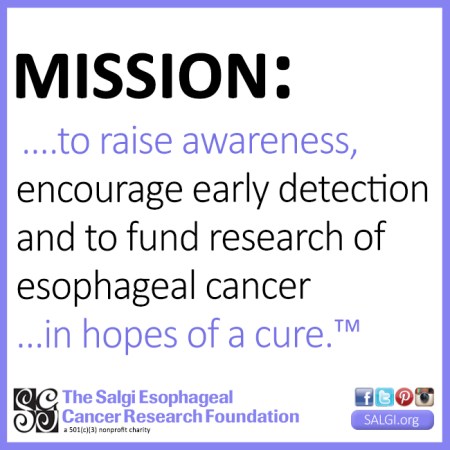











.jpg "True Leaf Market")
.jpg "MaryRuth's Organics")





 The Salgi Esophageal Cancer Research Foundation